If you land in Nairobi with a few days to spare, you have more safari in Nairobi Kenya options than you might expect. You can see rhinos and lions against the city skyline in the morning, or be on the road to the Masai Mara by sunrise. The hard part is choosing between half-day drives, overnight trips, and week-long routes without overpaying or wasting your time.
Here is the short answer. Nairobi National Park is the best choice for a half-day or one-day trip, and the Masai Mara is worth at least two or three nights. A Mara day trip by road is long and tiring, so we rarely recommend it unless you have no other option.
Below you will find 10 tours, from city park drives to multi-day Mara and Amboseli trips, with typical lengths, price ranges, and who each suits best. We are Passionate Guides Tanzania, a small Arusha-based operator, and we guide private safaris in Kenya and Tanzania. We have kept this list practical, so you can compare options fast and pick with confidence.
1. Passionate Guides Tanzania private Kenya safari from Nairobi
What the trip includes
Our private Kenya safari starts and ends in Nairobi. You get one dedicated guide and one 4x4 vehicle with a pop-up roof, used only by your group. Lodges or tented camps, park fees, meals listed in the itinerary, bottled water, and airport transfers sit inside one quote. That means you can see the full cost before you commit.
We are based in Arusha, so we also run Tanzania trips. If you want the Serengeti after the Mara, we handle both countries on one booking with one guide team, for example as an eight-day Kenya and Tanzania safari.
Typical itinerary and duration
Most guests book 4 to 8 days. We build each route around your dates and interests, but these three are common starting points for a Nairobi Kenya safari.
Sample route | Days | Highlights |
Nairobi and Masai Mara | 4 | Big cats, Mara River, Maasai village visit |
Nairobi, Mara and Amboseli | 6 | Elephants below Kilimanjaro, plus the Mara |
Kenya and Tanzania Safari | 8 | Kenyan parks, then northern Tanzania |
Drives from Nairobi to the Mara take about 5 to 6 hours. We split long transfers with a lunch stop and keep game drives to early morning and late afternoon, when animals are most active.
Price range and what affects it
Private safaris cost more per day than shared minibus tours. In return, you control the pace, the stops, and the schedule. As a rough guide, mid-range private trips run about USD 350 to 600 per person per day for two travelers, and luxury camps go well above that. Treat those as estimates, since rates change by season.
A private guide costs more per day than a shared van, but it is the one upgrade that changes every game drive.
Four things move the price most:
Season. July to October is peak, and park fees and camp rates rise.
Accommodation level. Mid-range tented camps cost far less than luxury ones.
Group size. Vehicle and guide costs are split across more people.
Trip length. Longer trips usually lower the daily average.
Who it is best for
This trip suits couples, families, and small groups who want a flexible, personal safari rather than a fixed departure. Families benefit most, because we can shorten drives, plan rest stops, and pick child-friendly camps.
It is also a good fit if you want Kenya and Tanzania combined, or a first safari with an experienced local guide. If you only have one free day in Nairobi, skip to the next options. When you are ready for a longer trip, send us your dates and we will propose a route.
2. Half-day Nairobi National Park game drive
What the trip includes
This is the simplest safari in Nairobi Kenya you can book. A driver-guide collects you at your hotel, drives you into the park in a 4x4 or van with a pop-up roof, and returns you afterward. Park entry is usually listed, but some budget quotes leave it out, so confirm the park fee is included. The park sits about 7 km from downtown, which means you can spot black rhinos, lions, giraffes, and buffalo with skyscrapers on the horizon.
Typical itinerary and duration
Most tours last 3 to 4 hours. Morning drives give you the best light and the most active animals.
5:30 to 6:00 am: hotel pickup
6:30 to 9:30 am: game drive through savannah, forest, and dam areas
10:00 am: drop-off in the city
Afternoon departures also work, but traffic can eat into your park time.
Price range and what affects it
Shared tours typically cost about USD 60 to 120 per person, while a private vehicle runs roughly USD 150 to 300 for the whole group. Treat these as estimates, since rates change. The Kenya Wildlife Service entry fee for non-resident adults is a large part of the cost, and children pay a lower rate. Vehicle type, group size, and pickup location also move the price.
For a short Nairobi stopover, this is the best value safari you can find, as long as you start at sunrise.
Who it is best for
Choose this drive if you have a layover or a single free morning. It also suits travelers who want a gentle first look at wildlife before a longer trip.
Do not expect Mara-style herds. The park is small and fenced on its city side, so sightings vary. If big cats and river crossings are your goal, skip ahead to the multi-day Mara options.
3. Nairobi National Park, Elephant Orphanage and Giraffe Centre
What the trip includes
This tour packs a compact safari in Nairobi Kenya into one day. You get a game drive in Nairobi National Park, then two sanctuary visits: the Giraffe Centre and the Sheldrick elephant orphanage. A driver-guide and a 4x4 or van are standard, and park entry is usually included, so confirm whether the two sanctuary tickets are too.
At the Giraffe Centre you hand-feed endangered Rothschild's giraffes from a raised platform. At the orphanage you watch rescued baby elephants take milk bottles and roll in mud.
Typical itinerary and duration
Timing matters here. The orphanage opens to the public for only about an hour around 11 am, so plan the day around that window. Most tours run 6 to 7 hours.
Build the whole day around the orphanage's 11 am public hour, and everything else falls into place.
Time | Stop |
6:00 am | Hotel pickup |
6:30 to 9:15 am | Nairobi National Park game drive |
9:30 to 10:30 am | Giraffe Centre, Karen |
11:00 am to noon | Elephant orphanage |
12:30 pm | Lunch or hotel drop-off |
Price range and what affects it
Shared group tours run about USD 100 to 180 per person, and a private vehicle costs roughly USD 200 to 400 for the whole group. These are estimates, and rates shift by season.
Extras change the total. Sanctuary tickets often cost around USD 10 to 15 per adult each, and a private guide adds more than a shared van. Child rates are lower at the park and both stops.
Who it is best for
Pick this tour if you travel with young children or love animals up close. It also suits a single free day when a long drive to the Mara is not realistic.
Skip it if you want wild predator action. The sanctuaries are staged encounters, and the park alone is small. For real big cat country, look at the Mara options further down.
4. Lake Nakuru and Lake Naivasha day trip
What the trip includes
This tour links two Rift Valley lakes in a single Nairobi Kenya safari with no overnight stay. You get a driver-guide, a 4x4 or van with a pop-up roof, a game drive in Lake Nakuru National Park, and usually a boat ride on Lake Naivasha to see hippos. Park fees and lunch are sometimes extra, so check the quote.
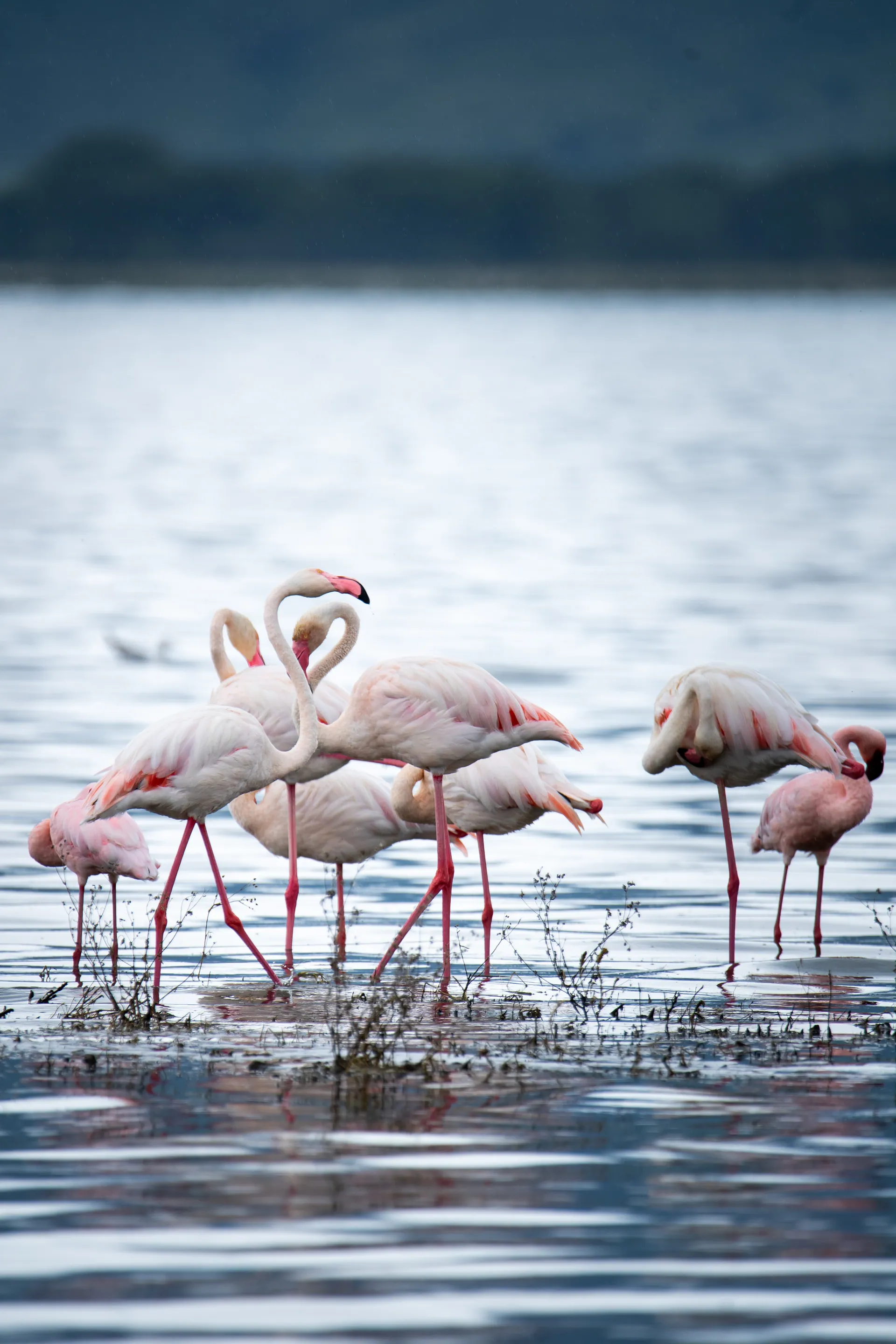
Nakuru is a rhino sanctuary, so you have a good chance of seeing black and white rhinos here. You may also spot Rothschild's giraffes and, when water levels allow, flamingos along the shore.
Typical itinerary and duration
Expect a day of 11 to 13 hours. Nakuru lies about 160 km from Nairobi, and the road takes roughly three hours each way. Two lakes in one day is rushed, and you spend more time in the vehicle than watching animals.
Time | Stop |
6:00 am | Hotel pickup |
8:00 am | Great Rift Valley viewpoint |
9:00 am to 1:00 pm | Lake Nakuru game drive |
2:00 pm | Lunch and Naivasha boat ride |
7:00 pm | Return to Nairobi |
One lake with time to look beats two lakes seen through a car window.
Price range and what affects it
Shared tours typically cost about USD 130 to 220 per person, and a private vehicle runs roughly USD 300 to 500 for the group. Treat these as estimates. Park fees, the boat ride, and lunch are the usual swing items, and private versus shared transport moves the total most.
Who it is best for
Pick this trip if you have one full day, want rhinos, and prefer not to fly. It suits active adults and older children who can handle a long drive. Skip it with toddlers, or if big cats matter most. For that, the Mara is the better bet, and an overnight at Nakuru or Naivasha makes this route far more relaxed.
5. Masai Mara fly-in day trip from Nairobi
What the trip includes
This is the fastest way to turn a safari in Nairobi Kenya stopover into real big cat country. You get a round-trip flight from Wilson Airport to a Mara airstrip, a 4x4 game drive with a driver-guide, and a picnic or camp lunch. Mara reserve fees are usually included, and hotel transfers often are too, so confirm both when you compare quotes.
Typical itinerary and duration
Flights take about 45 to 60 minutes each way, which saves you the 5 to 6 hour road transfer. Plan on 10 to 12 hours door to door.
Time | Stop |
6:00 am | Hotel pickup, Wilson Airport check-in |
7:30 am | Flight to the Mara |
8:30 am to 1:00 pm | Game drive |
1:00 pm | Lunch at a camp |
3:30 pm | Flight back to Nairobi |
Luggage is capped at about 15 kg in soft bags, so pack light.
Price range and what affects it
Expect roughly USD 450 to 900 per person. Treat that as an estimate, since fares and fees change. Flights make up most of the cost, and a private vehicle adds more than a shared one. Peak season from July to October raises both reserve fees and seat prices.
A fly-in day trip gives you a taste of the Mara, not the full experience.
Who it is best for
Book this if you have only one day and a flexible budget. It suits business travelers and cruise or layover guests who cannot spare a night.
For similar money, an overnight stay gives you two game drives at the best hours of the day. If you can spare even one night, the road safari in the next option is better value.
Skip the fly-in if you dislike small planes or hate early starts, since a missed morning flight means a missed trip.
6. 2 to 3 day Masai Mara road safari
What the trip includes
This is the classic safari in Nairobi Kenya for travelers who want the Mara without paying for flights. You get a 4x4 with a pop-up roof and a driver-guide, one or two nights in a lodge or tented camp, and meals at camp. Mara reserve fees are usually included, but check, since budget quotes often leave them out.
Typical itinerary and duration
Drives from the city take 5 to 6 hours each way, so two nights is the sensible minimum. A three-day trip gives you about four game drives in the best light.
Day 1: Leave Nairobi at 6:30 am, stop at the Rift Valley viewpoint, have lunch, then do an afternoon game drive.
Day 2: Take a dawn drive, eat a picnic breakfast in the bush, and do an evening drive.
Day 3: Take a final morning drive, then return to Nairobi by about 5 pm.
Price range and what affects it
Shared group departures run about USD 400 to 900 per person for three days, and private vehicles cost roughly USD 700 to 1,400 per person. Treat these as estimates, since rates change by season.
Two nights in the Mara beat one rushed day, every time.
Season matters most, because July to October raises camp and park rates. Lodge level and shared versus private transport come next. A sunrise balloon flight is an add-on, often around USD 450 or more.
Who it is best for
Choose this trip if you want a real Kenya Nairobi safari on a mid-range budget and can spare three days. It suits couples, first-timers, and families with children old enough to sit through long drives.
Skip it if you dislike bumpy roads, since the last stretch into the reserve is rough. If your dates fall between July and October, read the next option too.
7. Masai Mara wildebeest migration safari
What the trip includes
Think of this as the Mara road safari above, timed around the herds. You get a 4x4 with a pop-up roof, a driver-guide, three to five nights in camp, meals, and reserve fees. Choose a camp near the Mara River, because it cuts the drive to the crossing points.
The herds, roughly 1.5 million wildebeest plus zebra, usually reach the Kenyan side from July to October. Expect more vehicles at popular crossings than on any other Nairobi Kenya safari.
Typical itinerary and duration
Allow four nights if you can. Crossings depend on weather and herd mood, so extra days raise your odds.
No operator can promise a river crossing, so give yourself more days, not a tighter plan.
Day 1: Leave Nairobi early, then do an afternoon game drive.
Days 2 to 3: Spend full days along the Mara River with a picnic lunch, waiting and watching.
Final day: Take a morning drive, then return to Nairobi by evening.
Price range and what affects it
Budget roughly USD 900 to 2,000 per person for three to four nights. Treat that as an estimate, since rates change each year. Peak season pricing lifts camp rates and reserve fees, and a private vehicle costs more than a shared one.
Few Nairobi safari Kenya trips sell out faster, so book 6 to 9 months ahead for the best river camps.
Who it is best for
Choose this trip if river crossings are your reason to go and you can travel between July and October. It suits photographers, patient wildlife fans, and anyone with a bucket-list Mara trip in mind.
Skip it if crowds bother you. June and November are quieter and cheaper, though the herds may be on the Tanzanian side, as this month-by-month migration guide explains.
8. Amboseli safari with Kilimanjaro views
What the trip includes
This is the best safari in Nairobi Kenya for elephants. You get a 4x4 with a pop-up roof and a driver-guide, one or two nights in a lodge or camp, meals, and park fees.
Open, flat plains put Kilimanjaro behind the herds, which is the photo most guests come for. Swamps also draw hippos, buffalo, and many birds.
Typical itinerary and duration
Amboseli lies about 240 km from Nairobi, a drive of 4 to 5 hours, so two nights is the practical minimum.
Day 1: Leave Nairobi at 7:00 am, arrive for lunch, then take an afternoon game drive.
Day 2: Drive at dawn for clear mountain views, then again at dusk.
Day 3: Take a last morning drive and return to Nairobi by mid-afternoon.
Kilimanjaro is usually hidden by cloud before midday, so Amboseli rewards early risers.
Price range and what affects it
Shared trips run about USD 450 to 900 per person for three days, and private vehicles cost roughly USD 700 to 1,300 per person. Treat these as estimates, since rates change. Park fees are among the higher ones in Kenya, and the dry season from June to October lifts camp rates. A flight from Wilson Airport saves road time but adds cost.
Who it is best for
Pick this trip if you love elephants and photography and want a quieter park than the Mara. It also suits families, since the terrain is flat and the drives are easy.
Expect fewer big cat sightings here. If you want both, a combined Mara and Amboseli route makes a strong kenya nairobi safari of five to six days.
9. Samburu and Laikipia conservancy safari
What the trip includes
This northern route is a different kind of safari in Nairobi Kenya, drier and quieter than the Mara. You get a 4x4 with a pop-up roof, a driver-guide, two to four nights in a lodge or camp, meals, and park or conservancy fees. Samburu is known for the "Special Five": Grevy's zebra, reticulated giraffe, gerenuk, Beisa oryx, and Somali ostrich. Laikipia conservancies such as Ol Pejeta add black rhinos, and many allow night drives and walking safaris that national parks do not.
Typical itinerary and duration
Samburu lies about 330 km north of Nairobi, a drive of 6 to 7 hours, so plan three to four days.
Day 1: Leave early, cross the equator near Nanyuki, and reach camp for an afternoon drive.
Day 2: Drive at dawn along the Ewaso Ng'iro River, where elephants and lions come to drink, then go out again at dusk.
Day 3: Visit a Laikipia conservancy for a bush walk or night drive.
Day 4: Return to Nairobi by late afternoon.
Price range and what affects it
Shared three-day road trips run about USD 600 to 1,200 per person. Private conservancy stays cost far more, often USD 500 to 1,000 or more per person per night. Treat these as estimates, since rates change. Conservancy fees and camp level move the total most, and a flight from Wilson Airport, about one hour, saves a full day of driving but adds cost.
Who it is best for
Choose this trip if you have already seen the Mara or want fewer vehicles at every sighting. It makes a strong second Nairobi Kenya safari for photographers and anyone who wants rare species.
Samburu rewards travelers who trade huge herds for rare animals and empty tracks.
Skip it if you want the wildebeest migration or lots of lion action. Days are hot, and the long drive is tiring for small children.
10. Tsavo East and West safari
What the trip includes
Tsavo is the largest park system in Kenya, and it makes a quiet, wild safari in Nairobi Kenya for anyone heading toward Amboseli or the coast. You get a 4x4 with a pop-up roof, a driver-guide, two to four nights in a lodge or camp, meals, and park fees. The elephants here wear a red coat of volcanic dust, which makes for striking photos.
Park | Landscape | Known for |
Tsavo East | Open, flat plains | Large elephant herds, lions, Galana River |
Tsavo West | Hills, lava, springs | Mzima Springs, rhino sanctuary, scenery |
Typical itinerary and duration
Tsavo West is about 4 hours from Nairobi, and Tsavo East takes roughly 5 hours, so plan three days at minimum.
Day 1: Leave Nairobi early, have lunch at camp, then take an afternoon game drive.
Day 2: Drive at dawn, visit Mzima Springs or the river, and go out again at dusk.
Day 3: Take a last morning drive, then return to Nairobi or continue to Amboseli or Mombasa.
Tsavo pays off when you give it a full day on the ground, not a stop on the way elsewhere.
Price range and what affects it
Shared three-day trips run about USD 450 to 900 per person, and private vehicles cost roughly USD 700 to 1,300 per person. Treat these as estimates, since rates change. Park fees are lower than in the Mara, which helps your budget. The camp level and private versus shared transport move the total most.
Who it is best for
Choose this trip if you want space, solitude, and fewer vehicles, or if you plan to end your safari at the Indian Ocean. It also suits repeat visitors who want a different Nairobi safari Kenya route.
Skip it if you want guaranteed big cat action. The bush is thick, animals spread out, and the rains in April, May, and November make sightings harder. The dry months from June to October are the best window.
How to choose and book a Nairobi safari
Match the trip to your time
Start with the days you have, because that decides everything else. A single free morning points to Nairobi National Park. A full day suits the sanctuaries or Lake Nakuru. For the Mara, Amboseli, or Samburu, plan at least two nights, or the drive eats your trip.
Time you have | Best pick |
Half day | Option 2 |
One full day | Options 3, 4, or 5 |
2 to 3 days | Options 6, 8, or 10 |
4 days or more | Options 1, 7, or 9 |
Compare quotes like for like
Two quotes for the same route can differ by hundreds of dollars. The gap usually comes from what each quote includes, not from better value. Also check whether you get a private or shared vehicle, since a shared van means fixed stops and less say over timing.
Ask every operator the same questions:
Are park or reserve fees included?
Is a pop-up roof 4x4 guaranteed, with a window seat for everyone?
Is the guide licensed and fluent in English?
What are the cancellation and refund terms?
A cheap quote is only cheap if the park fees, the vehicle, and the guide are all in it.
Check reviews and book early
Reviews come next. Any operator selling a safari in Kenya Nairobi departures should have recent, detailed feedback on Tripadvisor and SafariBookings. Ask for a written itinerary and a named contact before you pay a deposit.
For July to October, reserve 6 to 9 months ahead to get the best camps. Off-peak trips can often be arranged a few weeks out, and WhatsApp or email gets you a faster answer than a web form.
Best time to go, costs and safety
When to go
The dry season from June to October is the best window for a safari in Nairobi Kenya. Grass is short, animals gather at water, and the herds reach the Mara. January and February are also dry, hot, and quieter.
Go in the dry months for wildlife, and in the green months for value.
Season | Months | What to expect |
Peak dry | July to October | Best sightings, highest prices |
Short dry | January to February | Good viewing, fewer crowds |
Long rains | April to May | Lowest prices, muddy roads, some camps close |
Short rains | November | Green scenery, brief showers, lower rates |
What to budget
Beyond your quote, set aside money for tips, drinks, and travel insurance. Plan roughly USD 10 to 20 per day for your guide, plus a little more for camp staff. Most visitors also need a Kenya eTA, an online travel authorization that has cost about USD 30. Apply through the official government portal and check current rules before you fly.
Shoulder months save real money. A Mara trip in early November often costs noticeably less than the same camp in August, and the wildlife is still excellent.
Staying safe
Nairobi is manageable for visitors who use common sense. After dark, take registered taxis or your operator's transfer, and leave valuables in the hotel safe. On safari, stay inside the vehicle unless your guide says it is safe to step out, and keep your voice low near animals.
Health needs planning too. Ask a travel clinic about malaria tablets and vaccines about six weeks before you go, and buy insurance that covers medical evacuation.
Picking the right Nairobi safari for you
The best safari in Nairobi Kenya depends on the time you have. A half day fits Nairobi National Park, a full day suits the sanctuaries or Lake Nakuru, and two or more nights reward you in the Mara, Amboseli, Samburu, or Tsavo. Fly-in day trips make sense only when a night is truly out of reach.
Price follows the same logic. Compare quotes line by line, confirm that park fees and the vehicle are included, and travel in the dry months if wildlife matters most. Shoulder months like early November can save you real money without costing you good sightings.
When you are ready for a trip built around your dates, a private guide makes every drive better. Send us your dates and plan a private Kenya safari with Passionate Guides Tanzania, and we will reply with a clear route and a full-cost quote.