To arrange trekking with gorillas in Rwanda, pick dry-season dates, book a US $1,500 permit for Volcanoes National Park well ahead, decide whether to book direct or through a licensed operator, and prepare for a hike of 30 minutes to four hours. It ends with one hour beside a mountain gorilla family. Most travelers need two to three days on the ground in Rwanda.
The hard part is not the trek itself. Rwanda issues only 96 permits a day, prices are high, and trip pages mix permit fees, lodging and transfers in ways that make quotes hard to compare. A missed booking window can cost you your preferred month, and the permit is the one item you cannot fix on arrival.
Passionate Guides Tanzania is an Arusha-based, founder-led operator that builds private East Africa trips, including gorilla treks in Rwanda and Uganda. This guide covers what a trek involves, then four steps: choose your dates, secure your permit, pick a tour format, and prepare for trek day.
What a Rwanda gorilla trek involves
A gorilla trek is a guided hike in Volcanoes National Park to a habituated mountain gorilla family, followed by one hour of viewing. The permit costs US $1,500 per person.
The numbers that shape your plan
These are the fixed rules to plan around.
| Item | What to know |
|---|---|
| Permit price | US $1,500 per person per day |
| Minimum age | 15 years |
| Daily permits | 96 (8 per family, 12 habituated families) |
| Time with gorillas | 1 hour maximum |
| Hike length | 30 minutes to 4+ hours |
| Altitude | Roughly 2,500 m to 4,000 m |
| Start | 7 am at park headquarters in Kinigi |
Eight visitors per family keeps each encounter small and quiet. About 10% of permit revenue goes to local communities for schools, health centers and roads.
The permit, not the hike, is the scarce resource, so plan around it first.
Is it worth it?
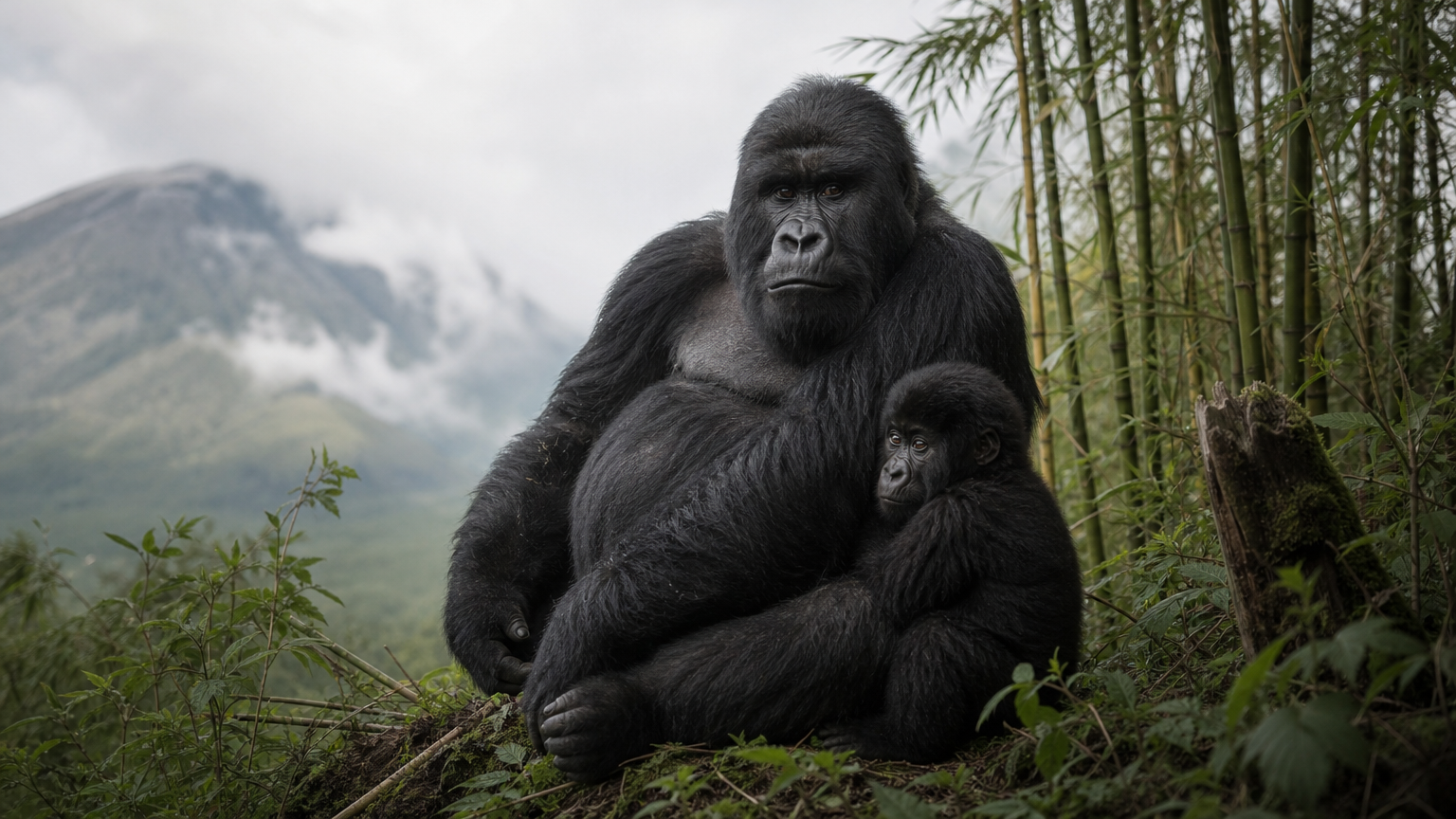
Yes, if you can handle a steep, muddy walk and accept that the hour is short. Roughly 1,000 mountain gorillas remain in the wild, about 604 of them in the Virunga Massif. Permit fees fund protection that keeps those numbers slowly rising. You pay for a rare encounter, not for guaranteed photos, and most visitors say the hour passes too fast.
Step 1. Choose your dates
Choose June through September if you can. These are the driest months, and August and September are the driest of all.
Match the season to your tolerance for mud
Gorilla treks run all year, but wet weather turns the slopes slippery. In the drier months the paths are firmer and well trodden from earlier use. Trails are muddiest in the wet months, spring and November especially, so pack for rain and go slowly. If June to September does not fit your schedule, a wet-season trek is still very doable with proper boots and a waterproof jacket.
Go June to September for the driest trails, and accept mud if your calendar says otherwise.
Fix dates before you book anything else
Permits sell by date, so lock your trek day first, then book flights and lodging around it. For June to September, start several months ahead. If you are combining Rwanda with a Tanzania or Kenya safari, set the gorilla day as the anchor and fit the rest around it. Leave a buffer day after the trek, because tired legs and a tight flight connection are a bad mix.
Step 2. Secure your permit
Book your permit as early as possible, either directly on Rwanda's official Irembo booking platform or through a licensed tour operator.
Choose direct booking or an operator
Booking direct works if you only need the permit and will arrange transport yourself. An operator handles permit, transfers and lodging in one quote, which matters when you are traveling from abroad. Use only licensed operators and guides. Either way, follow the same sequence:
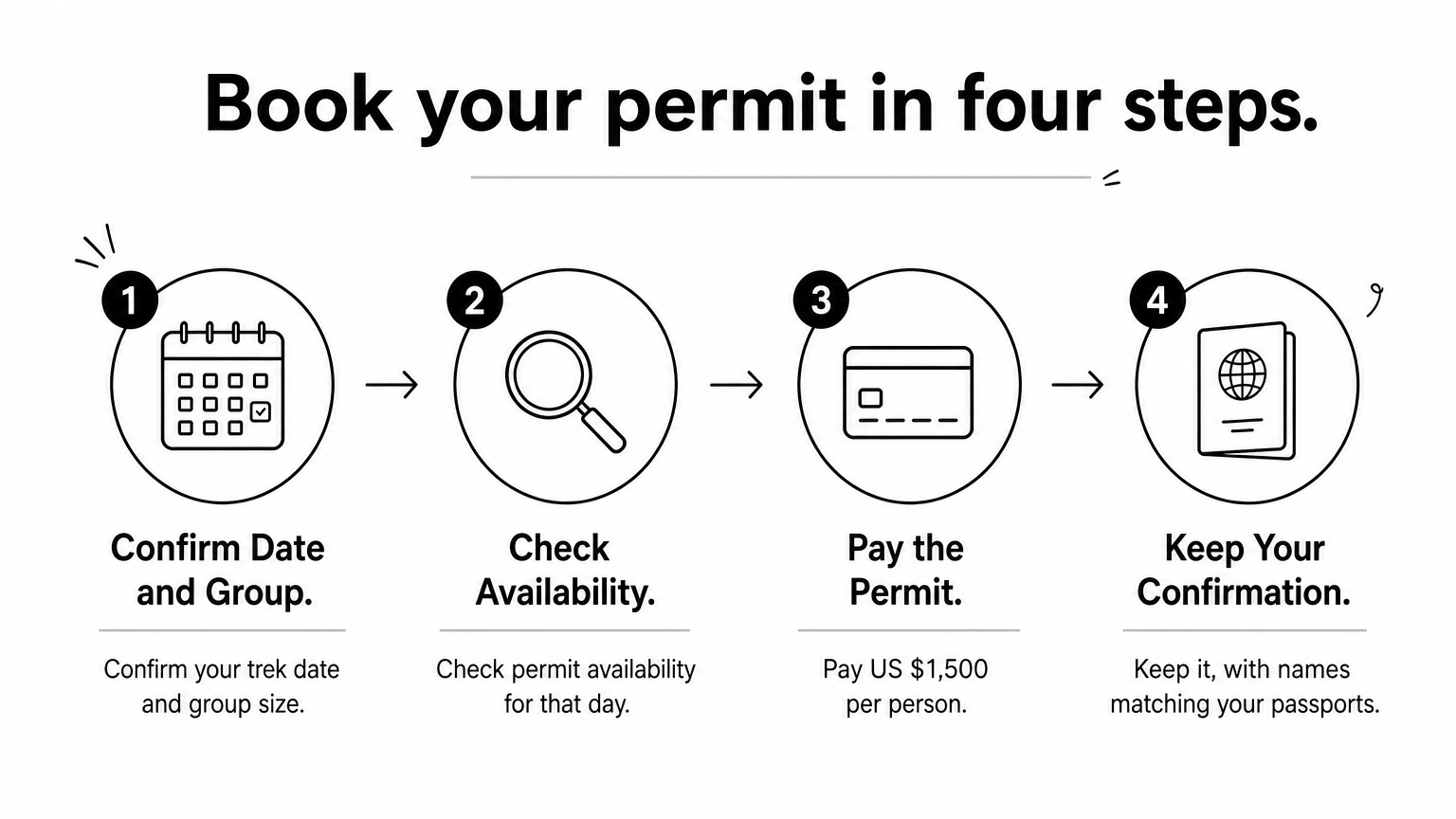
- Confirm your trek date and group size.
- Check permit availability for that day.
- Pay US $1,500 per person.
- Keep the confirmation, with names matching your passports.
Treat the permit as the first purchase, not the last.
Know the age rule and the real total
Everyone trekking must be at least 15. Rwandan and East African Community residents get special offers, but international visitors pay the full fee. Work the math early. A couple trekking once pays US $3,000 in permits. If they trek on two days, with a different family each time, that doubles to US $6,000 before lodging, vehicle and meals.
Step 3. Pick a tour or package
Choose a package by how many days you can spare. Two nights covers one trek comfortably, and longer trips let you add other wildlife or combine countries.
Compare the common formats
| Format | Typical shape | Best for |
|---|---|---|
| 1-day trek | Kigali to Volcanoes National Park and back | Tight schedules, long driving day |
| 3-day trip | Arrive, trek on day 2, return | Most first-time visitors |
| 4+ days | Second trek or golden monkeys added | Photographers, repeat trekkers |
| Multi-country | Rwanda with Tanzania, Kenya or Uganda | Bucket-list East Africa trips |
A 1-day trip means roughly two to three hours of driving each way from Kigali, so it suits only the fittest and most pressed travelers. The three-day version gives a rest night before the hike.
Check what a quote includes
Compare quotes line by line. Look for itemized permit costs, lodging near Musanze, a private vehicle with a driver-guide, porter arrangements, emergency evacuation cover, and clear cancellation terms. Passionate Guides Tanzania designs private Rwanda treks that can be paired with Tanzania or Uganda itineraries, and it requires comprehensive travel insurance on every booking. Whoever you book with, ask who pays if you cancel and whether your permit date can move.
A cheap quote that leaves out the permit is not cheap.
Step 4. Prepare for trek day
Prepare with sturdy footwear, rain protection, and some hill walking in the weeks before. The trek is not technical, but it is steep, high and often wet.
Pack and train for the terrain
Bring these items:
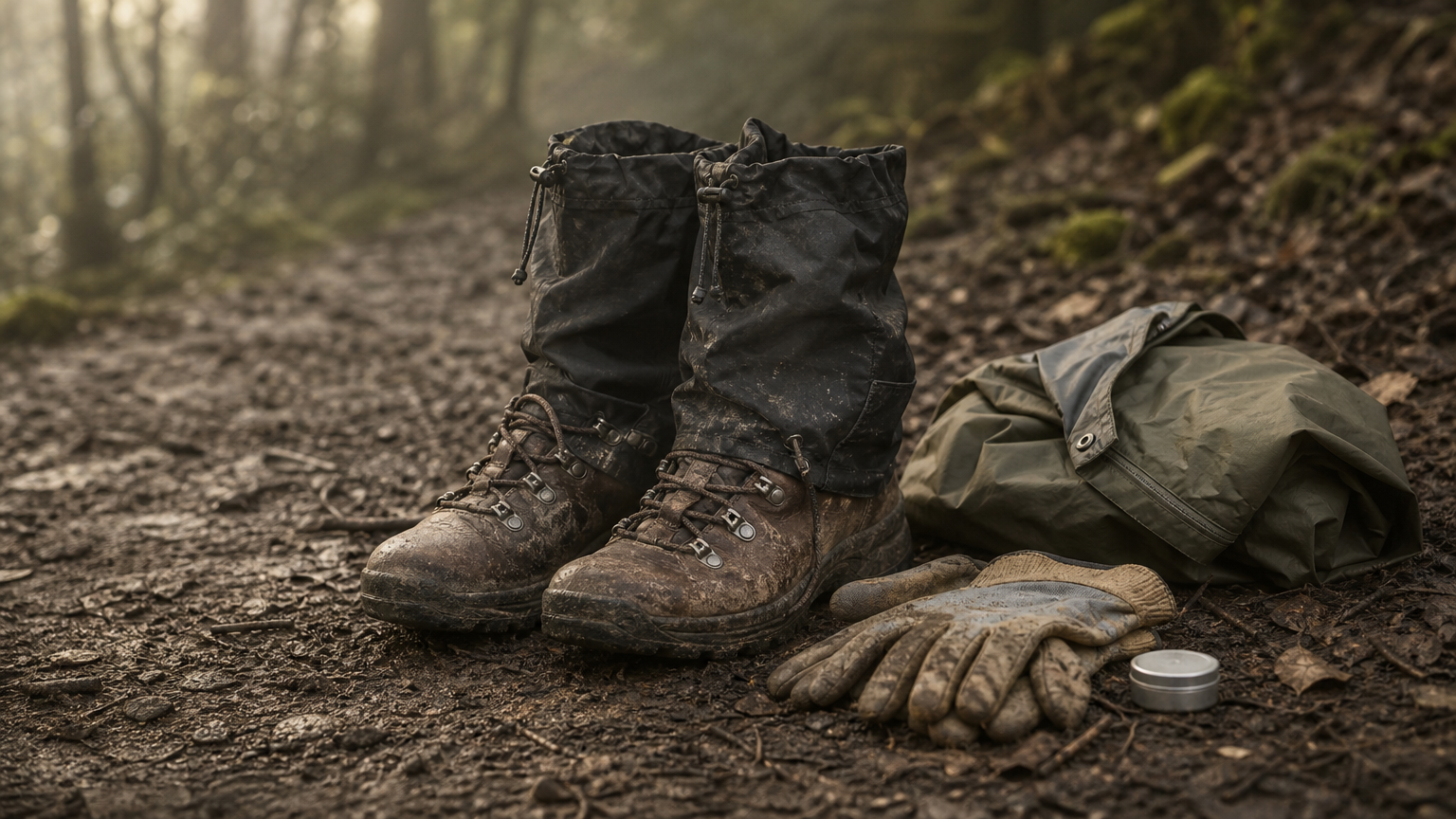
- Solid walking shoes with gaiters
- Sturdy long sleeves and trousers against stinging nettles
- Gardening or leather gloves
- A lightweight waterproof jacket
For fitness, walk hills with a daypack for several weeks. Hire a porter to carry your bag and offer a hand on steep sections. It also supports local jobs in an area with few alternatives.
Good boots and a porter matter more than gym fitness.
Know how the morning unfolds
You gather at Kinigi at 7 am for a briefing on rules. Guides assign your family by fitness, so ask for an easier group if you need one. Rangers radio ahead from the trail. Near the gorillas you leave your bags and walk in for your hour. Stay about 20 feet (7 meters) away, though a curious gorilla may close the gap, so follow your guide's lead. If walking is not possible, porters can carry you on a stretcher.
Tell the guides your fitness level honestly, because it decides which family you meet.
Ready to plan your trek
Trekking with gorillas in Rwanda comes down to four decisions made in order: dates, permit, tour format and preparation. Book the US $1,500 permit early, favor June to September if you can, compare quotes by what they include, and arrive with good boots and a porter booked.
If you want a private guide to handle ground transportation and a combined East Africa route, talk to Passionate Guides Tanzania about your Rwanda gorilla trek.