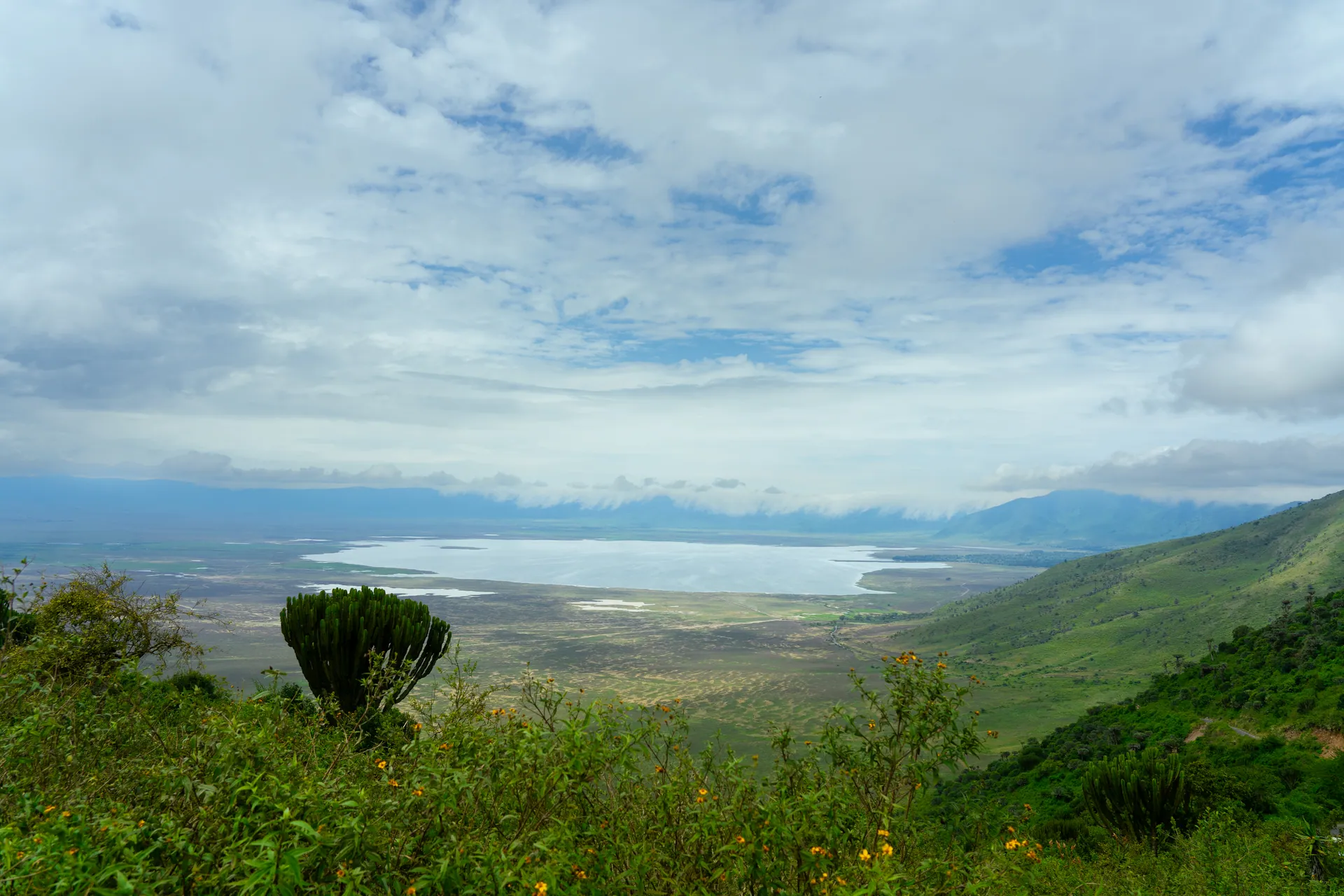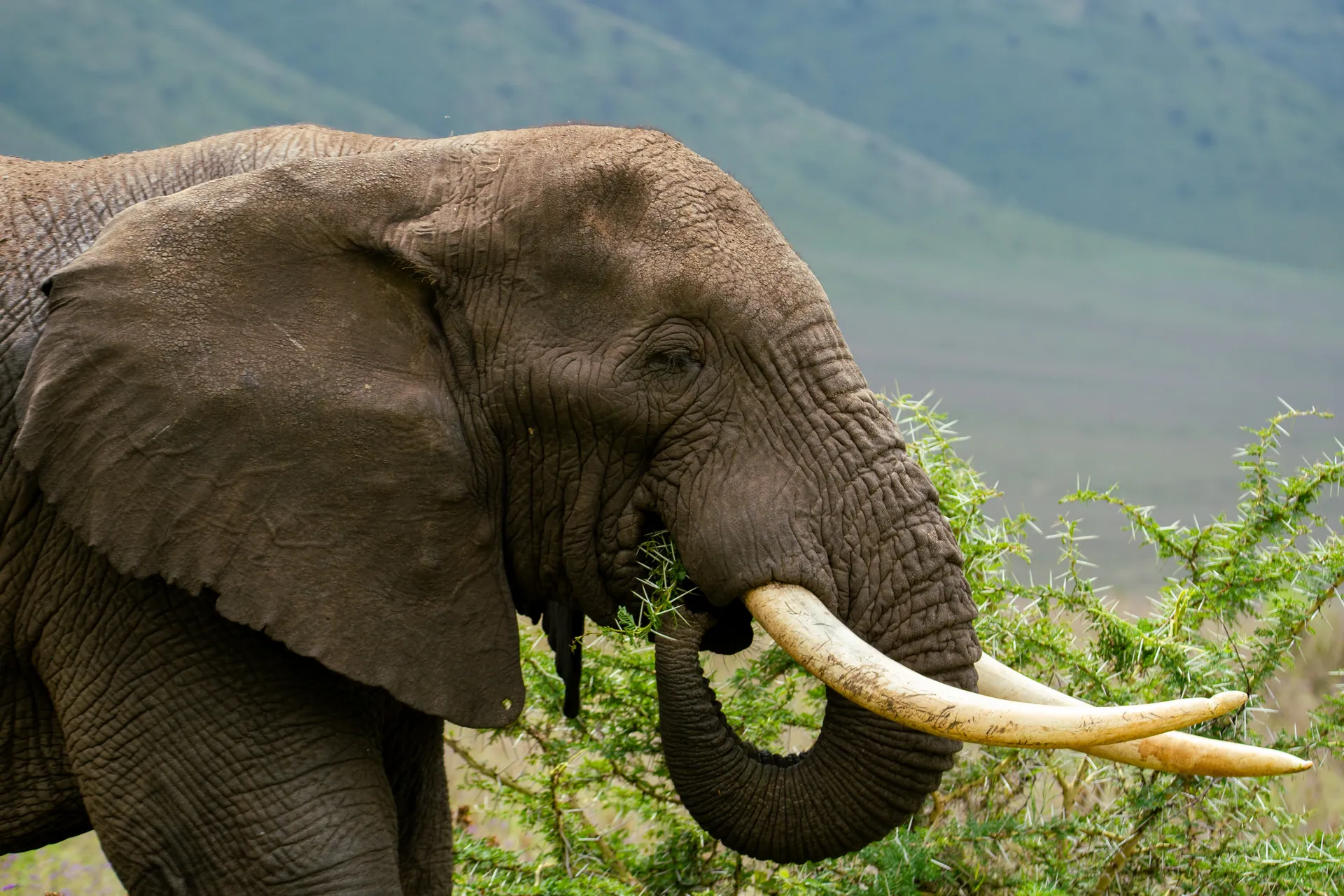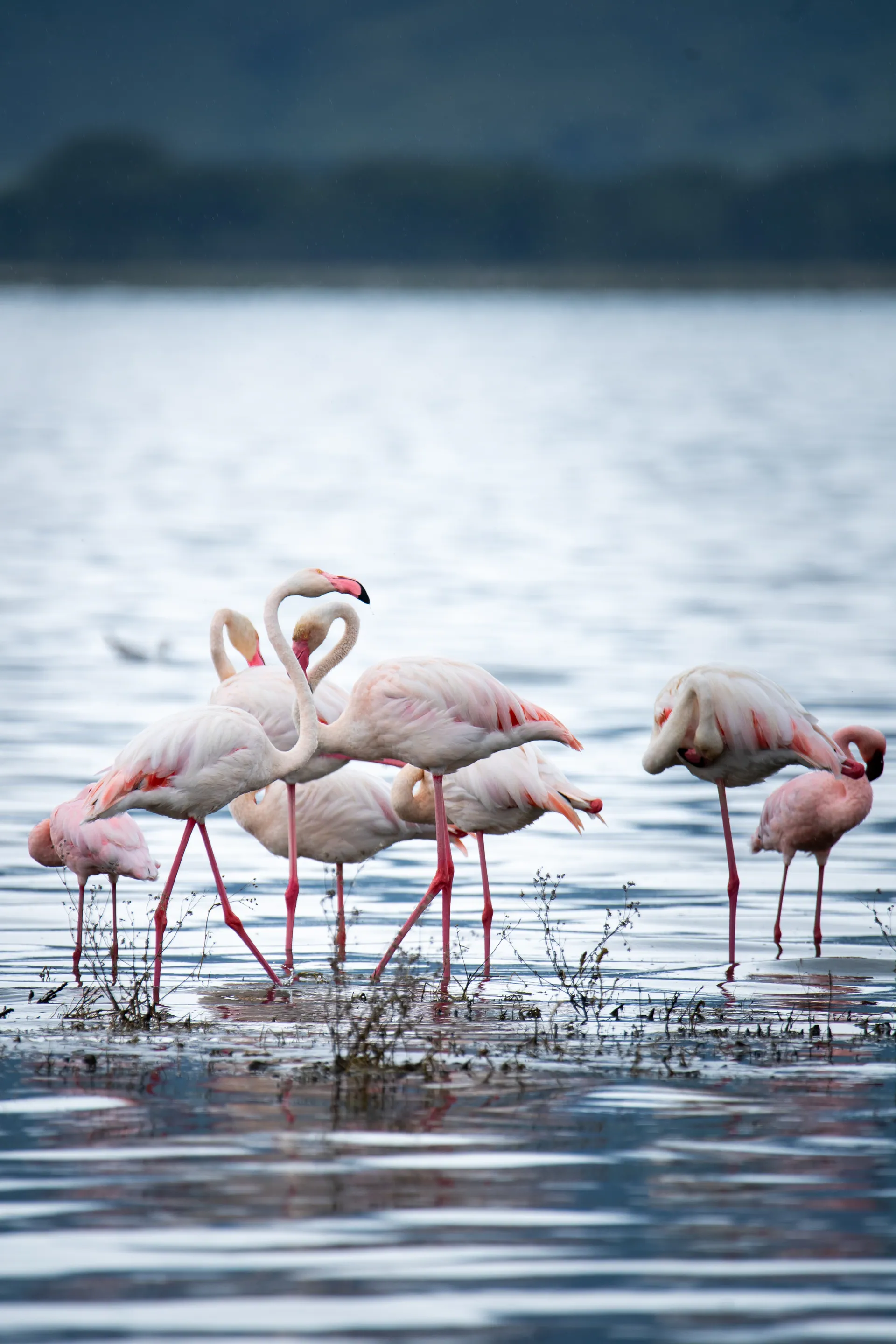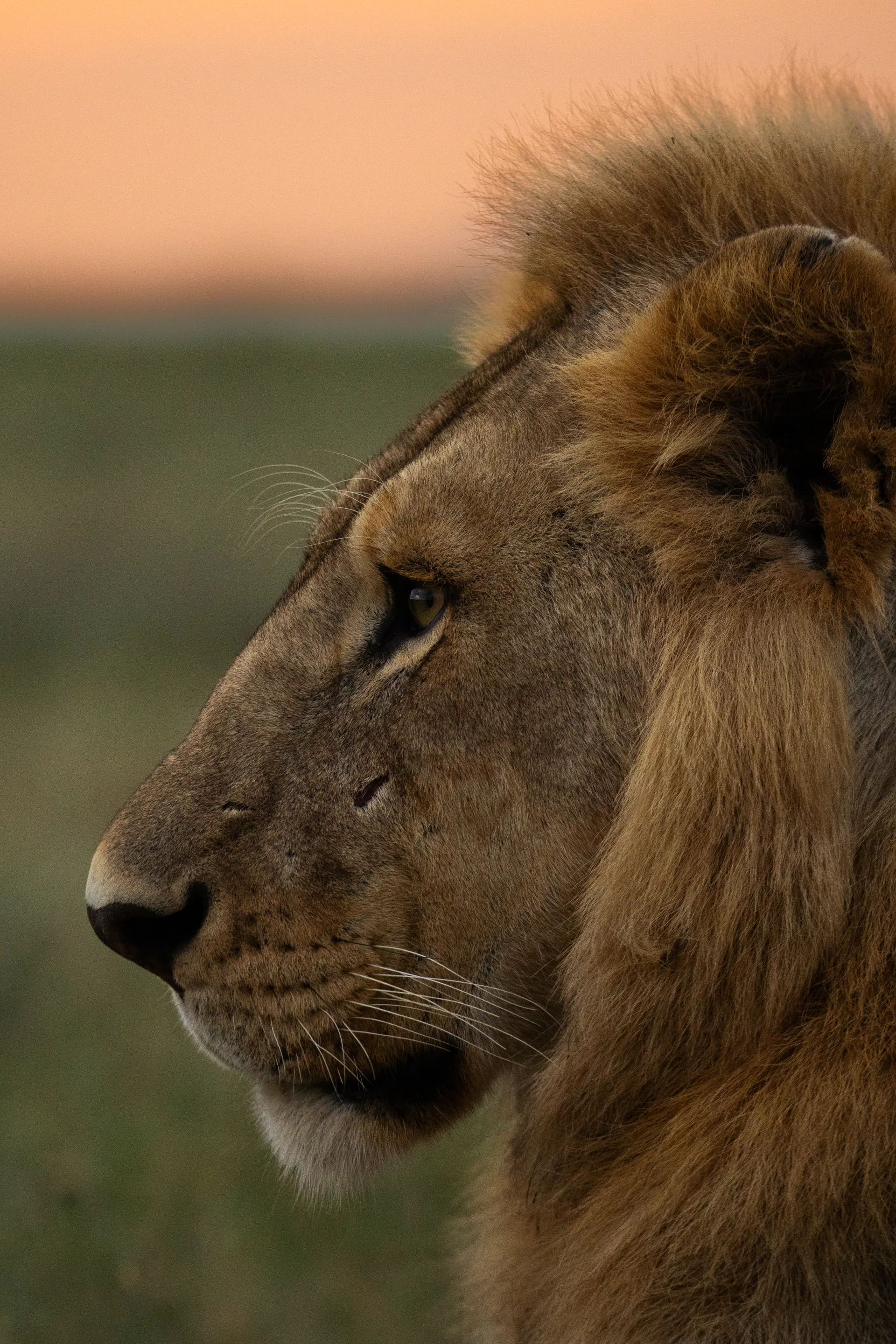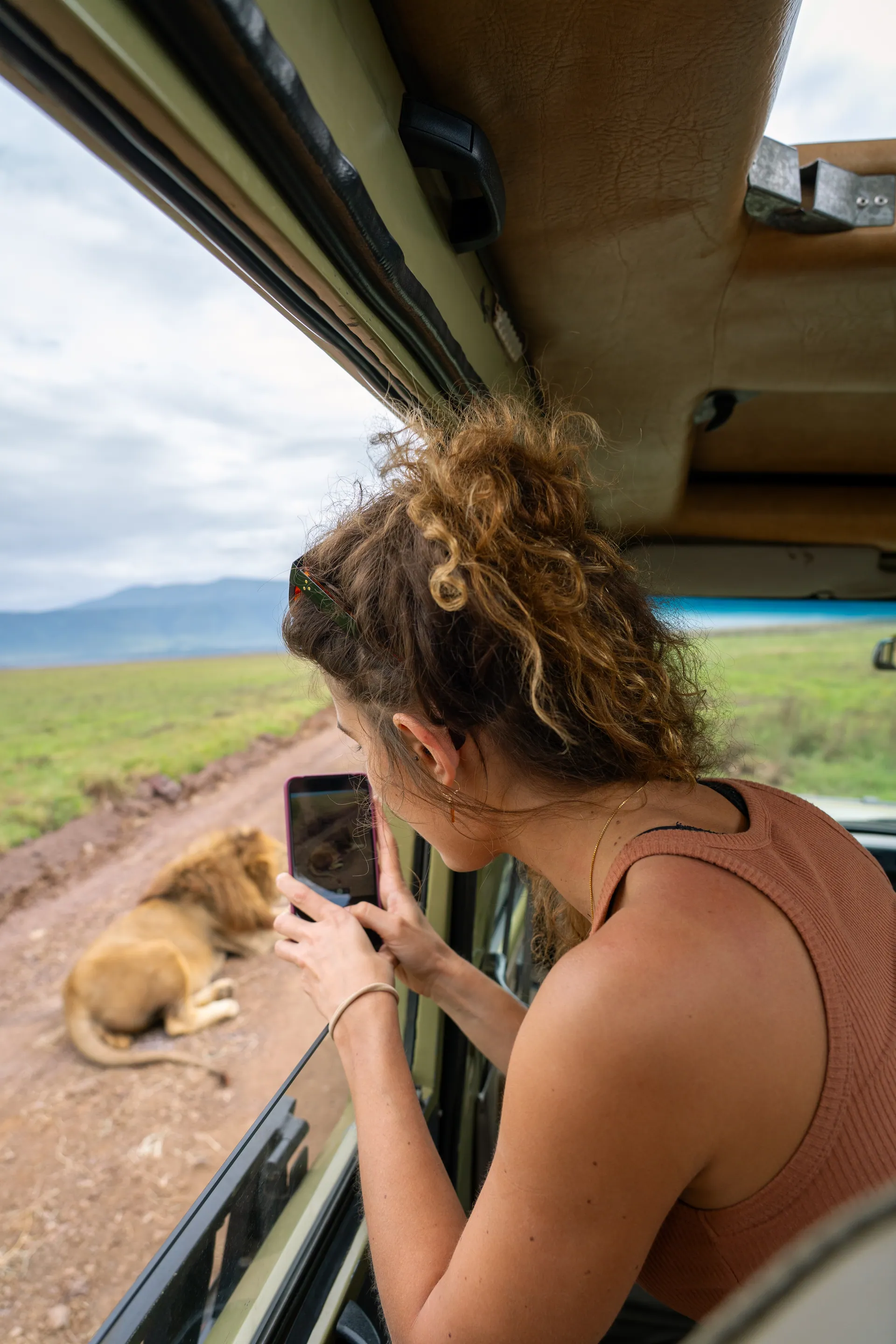
The best Kenya safari is the one that fits your time, budget and the animals you most want to see. For most first-timers, a 5 to 7 day road circuit through the Masai Mara, Lake Nakuru and Amboseli is the safest pick. If you are short on time and can pay for it, fly into the Mara. If you want two countries in one trip, combine the Mara with the Serengeti. If you want quiet and off-road driving, choose Samburu and Laikipia. If you want a beach after the bush, pair Tsavo East with Diani.
Search for an African safari in Kenya and you will find thousands of packages, with prices from about $440 to over $10,000 per person and names that sound alike. This guide sorts eight trip types by what you see, who each one suits, and what published operator listings show for price and season. It then covers per-day costs, the best months to go, how to judge an operator, and what to sort out before you fly.
We are Passionate Guides Tanzania, a small owner-run safari company in Arusha that has run private guided trips across East Africa since 2020. That means we know the Mara from both sides of the border, and we will tell you where a Kenya-only trip beats a combined one.
1. Kenya and Tanzania combination safari
A combined trip is the best choice when you want the Mara and the Serengeti in one private itinerary. We run it in 6, 8 and 10 day versions, all mid-range.
Combine the Mara and the Serengeti and you follow the same wildlife across the border with one guide.
What the trip covers
The Masai Mara in Kenya and the Serengeti in Tanzania are one ecosystem split by a border. A combined trip lets you see both without planning two separate safaris. We run three private versions in our own Toyota Land Cruiser 4x4s, with game drives, accommodation, park fees, a professional guide and ground transport included:
- 6 days: Masai Mara, Serengeti and Ngorongoro Crater, starting and finishing in Arusha, with flexible pacing.
- 8 days: Nairobi, Masai Mara, Serengeti, Ngorongoro Crater, a Mto Wa Mbu village visit and Tarangire.
- 10 days: Lake Nakuru, Masai Mara, Serengeti, Ngorongoro Crater, Tarangire and Amboseli.
International flights are not part of the package. On the 10-day trip you book them to and from Jomo Kenyatta International Airport in Nairobi.
Who it suits
Choose this if you want the headline parks of both countries and are not set on a Kenya-only trip. Ngorongoro Crater has no equivalent in Kenya, and the Serengeti adds a sense of scale that makes a good partner to the Mara. Our founder, Beatus Fungomali, has guided across Tanzania since 2012, and the private format means you set the pace each day.
The 6-day Kenya and Tanzania mid-range version suits travelers with a short window. The 10-day Kenya and Tanzania mid-range version suits those who also want Lake Nakuru and Amboseli. Skip this option if you want only Kenya or a beach finish, because trips 2 to 8 below fit those goals better.
Price and best season
A balloon safari over Central Serengeti costs $550 per person and is offered on day 5 of the 8-day trip.
For timing, go between July and October for Mara River crossings. January to March suits you better if you want calving season on the Tanzanian plains.
2. Masai Mara 3-day road safari
A three-day road trip is the entry-level way to see the Masai Mara. Local-operator listings put it between $440 and $2,375 per person, depending on comfort.
Three days is enough to see the big cats, if you accept two long days on the road.
What the trip covers
You drive from Nairobi to the Mara, which takes five to six hours depending on the camp, then spend about two days on game drives before driving back. Parts of the route are in below-average condition, so ask whether you travel in a 4x4 Land Cruiser or a safari minibus. Both have roof hatches for game viewing and radio contact with other guides.
- Dawn and late-afternoon drives, when predators are most active
- Lion, cheetah, leopard, elephant, buffalo and hippo, with rhinos seen only rarely
- An optional Maasai village visit
Who it suits
Pick this if you have a long weekend, a tight budget, or simply want to test whether a safari is for you. A Land Cruiser typically costs about $100 more per day than a minibus, but it handles rougher tracks and gives bigger windows.
Skip it if you dislike long drives. Roughly 10 to 12 hours of road time in three days is a lot, and the fly-in option in the next item solves that.
Price and best season
Published ranges per person for a 3-day road trip:
- Budget: $440 to $840
- Mid-range: $540 to $1,290
- Luxury: $860 to $2,375
The migration brings the highest prices and the most vehicles from July to October. January and February give strong game viewing with fewer crowds.
3. Masai Mara fly-in safari
A fly-in safari replaces the road transfer with a flight of about an hour from Nairobi. It costs more but gives you more time in the reserve.
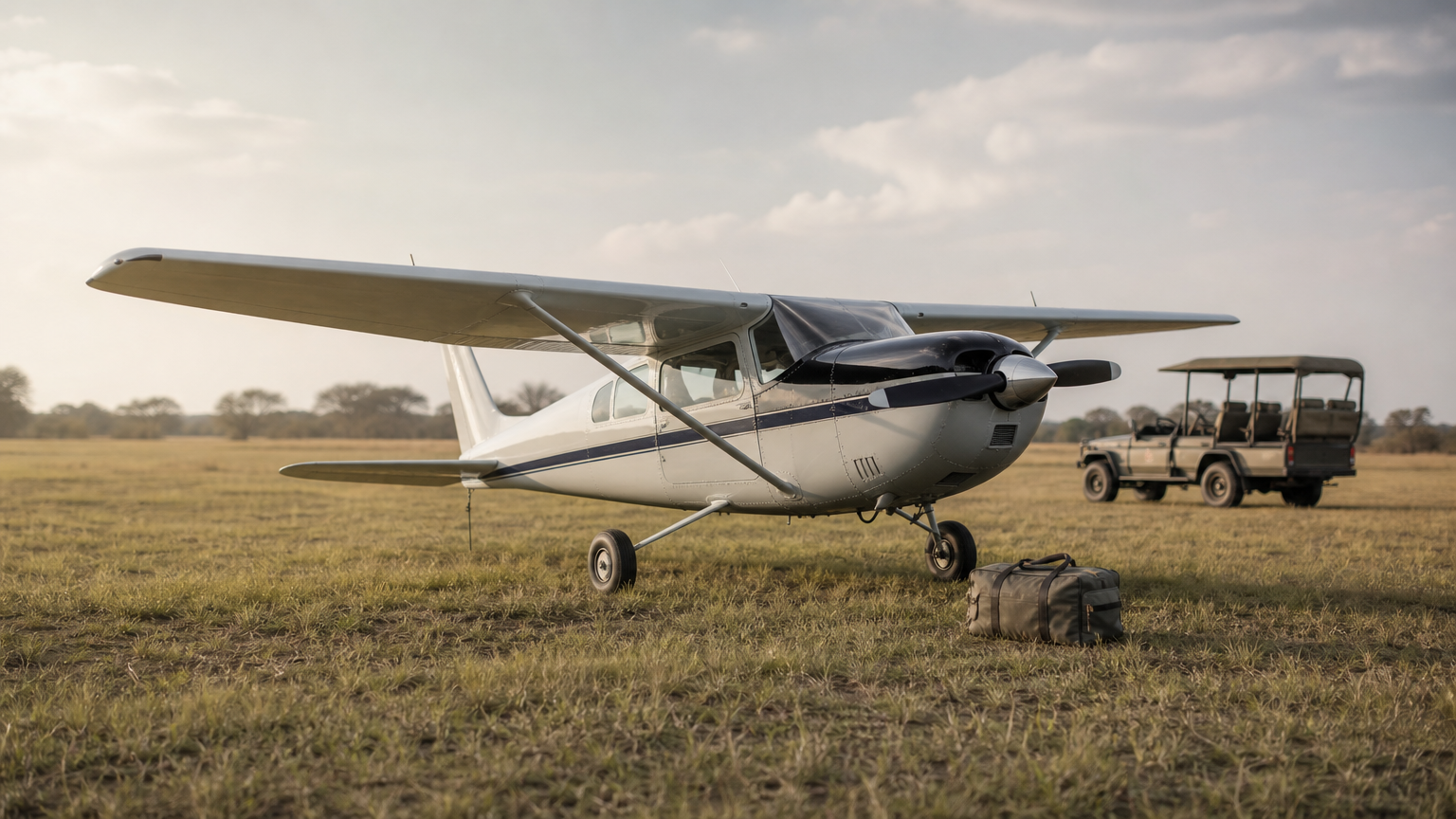
A fly-in safari buys back the six hours you would otherwise spend on the road each way.
What the trip covers
Flights leave from Wilson Airport in Nairobi, typically twice daily, and land on an airstrip in the Mara. Your camp or lodge collects you, and you usually arrive in time for lunch. Game drives run in the property's 4x4 vehicles. Many remote camps only sell fly-in packages because they include the drives.
- Round-trip flight, transfers, accommodation, meals and drives bundled together
- Camps in quieter areas than the road-accessible lodges
- Luggage limits of about 15 to 20 kg in soft-sided bags
Who it suits
This suits travelers with two to four days who do not want to lose a quarter of the trip to driving. It also suits honeymooners and anyone staying at a remote camp.
Skip it if you want to see the Kenyan countryside by road, or if you cannot pack light. The luggage limit is firm, so hard suitcases will not work.
Price and best season
Operator listings show these ranges per person:
| Trip | Price range (USD) |
|---|---|
| 2-day fly-in | $850 to $1,050 |
| 3-day fly-in | $1,150 to $1,500 |
| 4-day fly-in | $1,260 to $1,785 |
Flights cost around $300 per person each way when added to a road-based trip. The best months match the Mara: July to October for the migration, January and February for quieter drives.
4. 5-day Mara, Nakuru and Naivasha circuit
This circuit is the best-value way to see more than one habitat. It costs $955 to $1,815 per person in private local-operator listings, and budget group trips start nearer $716.
Five days adds lakes and rhinos to the Mara, and the extra variety is the main reason first-timers pick it.
What the trip covers
The usual route runs Nairobi to Lake Naivasha, Lake Nakuru National Park, the Masai Mara and back to Nairobi. Naivasha gives you hippos and birdlife. Nakuru is one of the better places in Kenya to see black and white rhinos. The Mara delivers the big cats and, in season, the herds.
- Lake Naivasha: hippos and water birds
- Lake Nakuru: rhinos, with flamingo numbers that change with water levels
- Masai Mara: lions, cheetah, elephants and migration herds
Who it suits
This is the sensible default for first-time visitors with a week off. You get several ecosystems without hours of extra driving. Group departures on this route typically cap vehicles at 7 or 8 passengers, which keeps prices down but fixes the itinerary.
Skip it if you want a Kenya-only trip that includes elephants against Kilimanjaro. For that, add Amboseli (items 5 and 6).
Price and best season
Published figures per person:
- Private local-operator trip: $955 to $1,815
- Shared budget camping trip: $716 to $940
Visit between June and October for dry weather and concentrated wildlife. In the long rains of March to May, Nakuru's flamingos are harder to find because rising water makes feeding difficult for them.
5. 7-day classic Kenya circuit
Seven days is the classic Kenya safari because it fits four major parks into one trip. Listings run from about $1,153 for shared budget trips to $2,625 per person for upper mid-range ones.
The 7-day circuit sees the most of Kenya, but check the driving hours before you book it.
What the trip covers
A typical week runs Nairobi, Masai Mara, Lake Nakuru, Lake Naivasha, Amboseli and back to Nairobi. You see lions and migration herds in the Mara, rhinos at Nakuru, hippos at Naivasha, and elephants beneath Kilimanjaro at Amboseli.
The catch is distance. The Mara to Amboseli leg alone can take around 10 hours by road. Look at the daily driving times in any itinerary before you pay.
Who it suits
This is for travelers who want the full Kenya sampler and have a week or more. It also suits anyone comparing packages, since most operators sell a version of this route and you can compare them line by line.
Skip it if long transfers wear you down. A better choice is to fly one leg, or to cut Amboseli and take the 5-day circuit instead.
Price and best season
Listings show these per-person ranges:
- Shared budget tour: $1,153 to $1,497
- Shared mid-range tour: $1,652 to $2,249
- Private local-operator range: $1,420 to $2,625
The best months are June to October and January to February. Mid-March to mid-May is the wettest stretch, with some roads flooding and some camps closing.
6. Amboseli 3-day elephant safari
Amboseli is the pick for elephants with Kilimanjaro behind them. A private mid-range 3-day lodge trip is listed at about $1,029 to $1,202 per person.
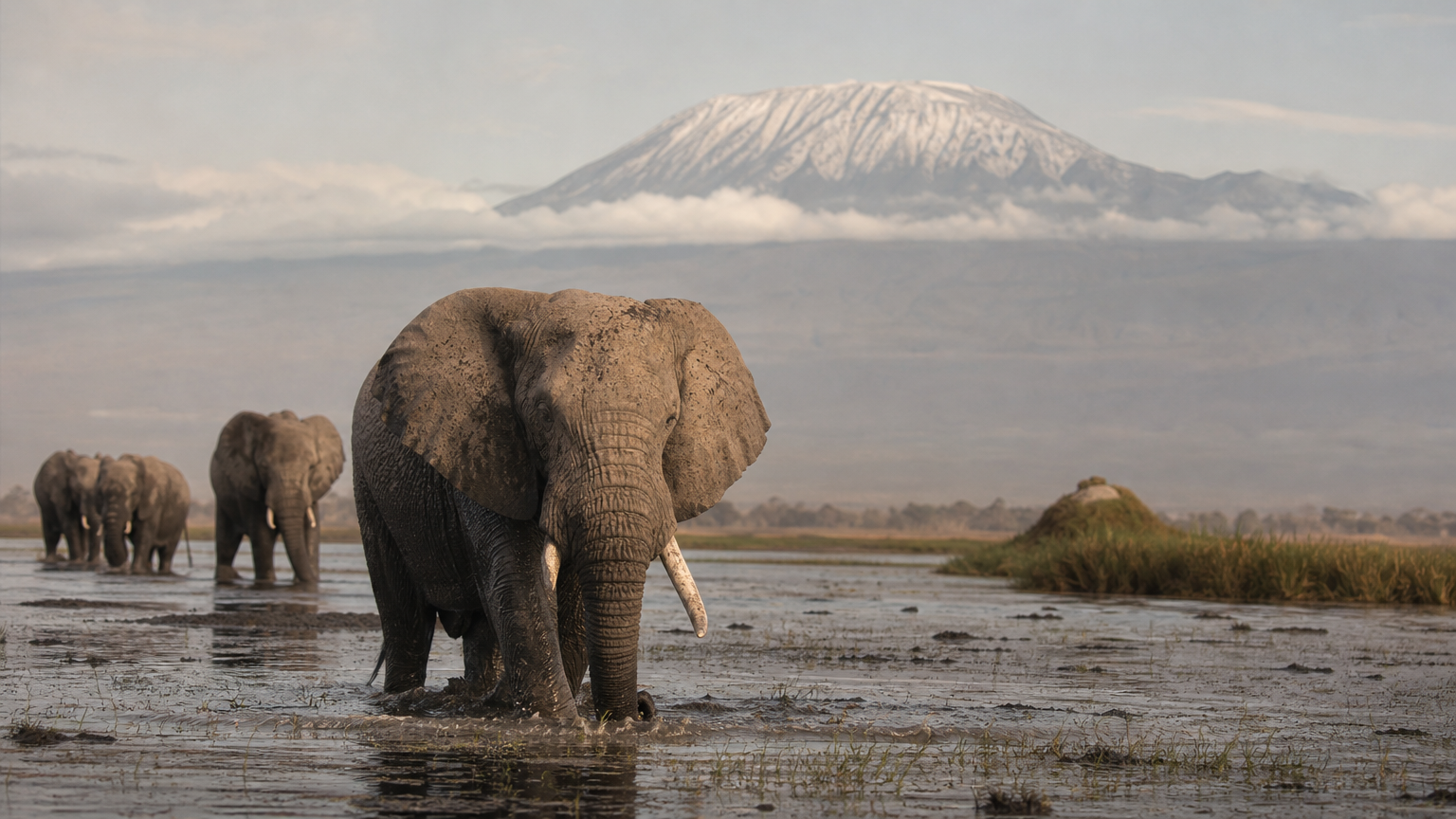
Amboseli is the place for elephants and Kilimanjaro views, not for the highest density of big cats.
What the trip covers
Amboseli National Park sits in southern Kenya near the Tanzanian border, about a half-day drive from Nairobi. Large elephant herds feed in its swamps and open plains. The park is also known for big-tusked bull elephants, which Amboseli shares with Tsavo through a wildlife corridor.
- Elephant herds at close range
- Kilimanjaro views, often clearest in the early morning
- Lions, cheetah, hippo and abundant birdlife
Who it suits
It suits photographers, elephant lovers and anyone adding a short stop to a Mara trip. Because the park is compact, three days is enough to cover it well.
Skip it if the Mara's predator action is your priority. Amboseli has big cats, but fewer sightings than the Mara. Also skip it in cloudy months if the mountain view matters to you, since Kilimanjaro hides behind clouds more often than people expect.
Price and best season
Expect $1,029 to $1,202 per person for a private mid-range lodge trip over three days. Dry months give the best views and the most concentrated wildlife: June to October and January to February. The long rains bring lower prices but muddy tracks.
7. Samburu and Laikipia off-the-beaten-path safari
If you want fewer vehicles and a more exclusive trip, go north. A private mid-range 3-day Samburu trip is listed at about $1,076 to $1,168 per person, and longer luxury routes cost more.
Samburu and Laikipia trade the Mara's crowds for species you will not see in the south.
What the trip covers
Samburu National Reserve in northern Kenya has a hot, dry landscape and a river that draws wildlife. It is home to the "Special Five": Grevy's zebra, reticulated giraffe, Beisa oryx, Somali ostrich and gerenuk. The Laikipia Plateau has private conservancies, where most allow off-road driving, so you get closer to animals than in a national park.
- Northern species not found in the Mara
- Elephants and big cats along the river
- Conservancies with few other vehicles, and Ol Pejeta for rhinos
Who it suits
This suits repeat visitors, photographers, and anyone who dislikes a line of minibuses at a sighting. It also works well as a second stop after the Mara.
Skip it if your budget is tight. Conservancies cost more, and the north is farther from Nairobi than the main southern parks. It also lacks the migration.
Price and best season
Published per-person figures:
- 3-day Samburu, private mid-range lodge: $1,076 to $1,168
- 7-day luxury, Mara, Nakuru, Aberdare and Samburu: $2,678 to $3,611
The dry months of June to October and January to February work best, and wildlife gathers at the river.
8. Tsavo East and Diani Beach safari
This is the trip for a bush-and-beach holiday. A 3-day Tsavo East trip from Mombasa is listed at $807 to $1,049 per person, and a 6-day Tsavo East to Diani trip at $2,556 to $2,640.
Tsavo East for the elephants, Diani for the rest, and no Nairobi transfer needed.
What the trip covers
Tsavo East National Park is one of Kenya's largest parks, famous for large elephants and wide, open country. Itineraries usually run from the coast, through Taita Hills Wildlife Sanctuary, into Tsavo East and back. Diani Beach lies about 18 miles (30 km) south of Mombasa, with white sand and palm trees.
- Game drives in Tsavo East
- Lodge or tented camp stays
- Beach days with snorkeling, diving and kite-surfing at Diani
Who it suits
This suits honeymooners, couples and families who want to relax after the drives. It also suits anyone flying into Mombasa rather than Nairobi.
Skip it if the Great Migration is your goal, because the herds do not come here. Tsavo has fewer vehicles than the Mara but also a lower density of easy sightings.
Price and best season
Per-person ranges from listings:
- 3-day Tsavo East from Mombasa, private mid-range: $807 to $1,049
- 6-day Tsavo East to Diani, private mid-range: $2,556 to $2,640
Go in the dry months, June to October or January to February. The coast is hot and humid at any time of year.
What a Kenya safari costs per day
The cost of a Kenya safari typically runs $200 to $1,000 per person per day, depending on comfort, group size and season. Most local-operator guidance puts budget private trips near $300, mid-range near $400 and luxury near $600.
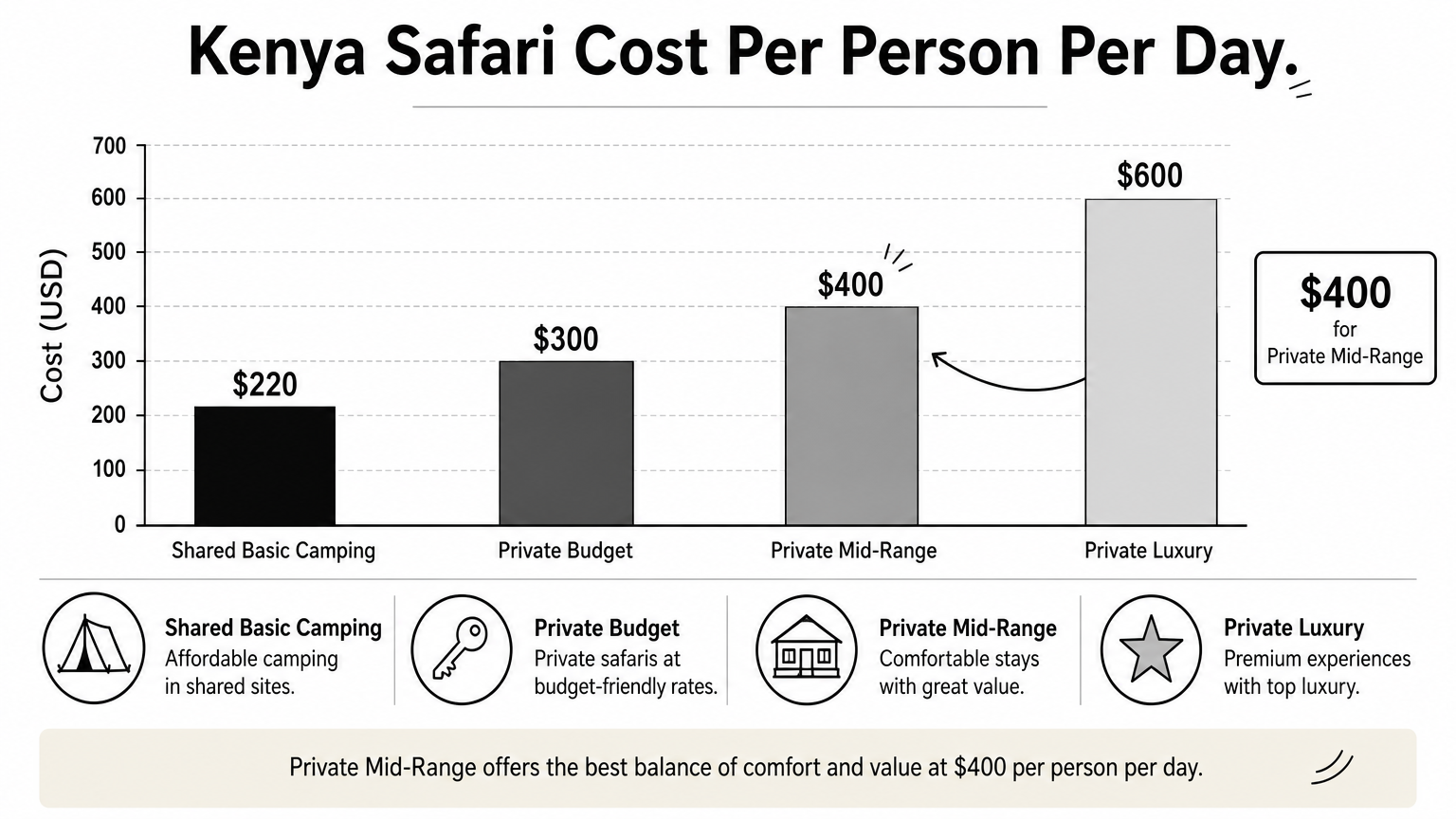
Judge any Kenya safari quote by its per-day price, not its headline total.
Per-day prices by comfort level
These figures cover accommodation, meals, park fees, vehicle, driver-guide and fuel. They exclude international flights, tips, visas and insurance. The 7-day columns show how the daily rate scales.
| Style | Per person per day | 7 days, one person | 7 days, two people |
|---|---|---|---|
| Shared, basic camping | $220 | $1,540 | $3,080 |
| Private, budget | $300 | $2,100 | $4,200 |
| Private, mid-range | $400 | $2,800 | $5,600 |
| Private, luxury | $600 | $4,200 | $8,400 |
Some listings come in lower than these figures, especially shared minibus trips. Top luxury camps run up to $1,000 per person per day. A very cheap quote usually means basic camping, a minibus or a smaller park.
A worked example for two travelers
A couple takes a 7-day private mid-range trip at $400 per person per day. That is $2,800 each, or $5,600 for two. If they add a round-trip fly-in to the Mara at about $300 per person each way, that is four flights, or $1,200. The total rises to $6,800, before international flights and tips.
A solo traveler can pay up to 40 percent more, because the vehicle and guide are not shared. On the same trip that is roughly $3,900 instead of $2,800.
Park fees also rise with the season. Recently published Masai Mara rates were about $100 per person per day from January to June and $200 from July to December, plus tax. Confirm current fees with your operator.
Best time for a Kenya safari
The best time for a Kenya safari is June to October for dry weather and the Mara migration, with January and February as the strongest alternative. March to May is the wettest and cheapest period.
Kenya works year-round, but mid-March to mid-May is the one stretch to approach with care.
Month by month
| Months | Season | What you get | Prices |
|---|---|---|---|
| Jan to Feb | Short dry | Strong game viewing, baby animals, clear skies, the hottest weather | Moderate |
| Mar to May | Long rains | Green, quiet parks, some flooding, some camps closed | Lowest |
| Jun to Oct | Long dry | Migration in the Mara from about July, animals gathered at water | Highest |
| Nov to Dec | Short rains | Green scenery, migratory birds, showers that rarely disrupt trips | Moderate |
Matching the month to your goal
Match your goal to the calendar:
- River crossings: July to October in the Mara. Expect crowds and the highest fees.
- Fewer vehicles and good sightings: June, January or February.
- Lowest prices: March to May, if you accept rain and possible road problems.
- Birdwatching: November to April, when migrants are present.
- Kenya and Tanzania together: July to October for crossings, or January to March for calving in the southern Serengeti.
How to choose a Kenya safari operator
Pick an operator by comparing what is included, who guides you, and how they handle payment and cancellation, not just the headline price. A local operator is typically cheaper than an international agent for the same trip.
The lowest price is a warning sign when it leaves out park fees, a proper vehicle or an experienced guide.
Local operator, international agent or lodge package
A local operator runs your trip on the ground and arranges park permits, lodges, vehicles and guides. International travel agents usually subcontract the safari to a local company and add their own margin, and you often do not know which company you get. Lodge-provided packages can work if you stay four or more nights per lodge, but they typically involve shared drives and expensive flights between camps.
Private and shared trips are a separate choice. A private trip gives you control over timing and sightings. A shared trip is cheaper, especially for solo travelers, but the itinerary is fixed and vehicles usually carry 7 or 8 guests.
Questions to ask before you pay
Ask each operator for answers in writing:
- What is included in the price: park fees, meals, drinks, activities, airport transfers?
- Which vehicle do you use, and how many guests share it?
- Who is my guide, and how long have they been guiding?
- Which lodges or camps, or which equivalent standard, will we use?
- What are the deposit, balance and cancellation terms?
- Is evacuation cover included, and is travel insurance required?
- Where can I read independent reviews?
For example, our own terms are a 30 percent deposit within 14 days of invoice, the balance due 42 days before arrival, and mandatory travel insurance, with AMREF Flying Doctors evacuation included on safaris and treks. Check reviews across several platforms, such as Tripadvisor and SafariBookings, over at least two years rather than relying on a company's own website.
Safety, entry and what to wear
Kenya is a well-established safari destination, but you should check current government advisories, arrange entry documents early and buy comprehensive insurance. Follow your guide's briefings, because the main risks are on the road and in cities rather than in the parks.
Most Kenya safari risk is on the road and in the cities, so keep your time in both short.
Is Kenya safe for a safari?
Most safari trips run without incident, and operators with good records brief you before each drive. Nairobi has petty and violent crime, so avoid walking at night and use trusted transport. Road accident rates are high, so avoid driving after dark and consider flying between distant parks. Check the US State Department travel advisory before you book, since conditions can change.
Entry, health and insurance
Most visitors need an electronic travel authorization (eTA) for Kenya, which you apply for online through the official government portal before you fly. Ask your doctor about malaria prevention and vaccinations, and review the CDC's travel health guidance. If your trip combines Kenya and Tanzania, ask about yellow fever certificate rules. Buy comprehensive travel insurance with medical evacuation.
What to wear
Wear neutral tones such as khaki, olive and tan, which blend in and hide dust. Red is fine, and wildlife does not react to it. Avoid dark blue and black in areas with tsetse flies, and skip camouflage patterns, which are restricted in Kenya. Pack layers, because dawn drives are cold.
Pick the trip, then pick the guide
The right Kenya safari depends on your time and priorities. Seven days on the classic circuit gives the widest view, a fly-in cuts road time, Amboseli and Samburu add variety, and Tsavo with Diani adds a beach. If you want two countries, the Mara and Serengeti combination gives you both with one guide.
Whatever you choose, compare per-day prices rather than totals, travel in the dry months if you can, and ask every operator what is included before you pay a deposit.
If you want a private trip planned by a local guide, send us your dates and budget and we will propose a Kenya or Kenya and Tanzania itinerary built around them.