The best luxury safari lodge in Tanzania is the one that sits in the right part of the ecosystem for your travel month, keeps guest numbers low, and runs game drives in a private or lightly visited area. For a first safari with family, Singita Sasakwa is the safest pick. Couples chasing privacy should look at Namiri Plains, Lemala Kuria Hills or Mwiba Lodge. Elephant and walking fans will prefer Forest Chem Chem or Jabali Ridge, and anyone who wants a quiet crater base should consider The Highlands.
Nearly every lodge in Tanzania calls itself luxury, the photos look alike, and nightly rates hide behind enquiry forms. The costly mistake is booking a stunning camp in the wrong region for your month, then spending your game drives passing empty plains.
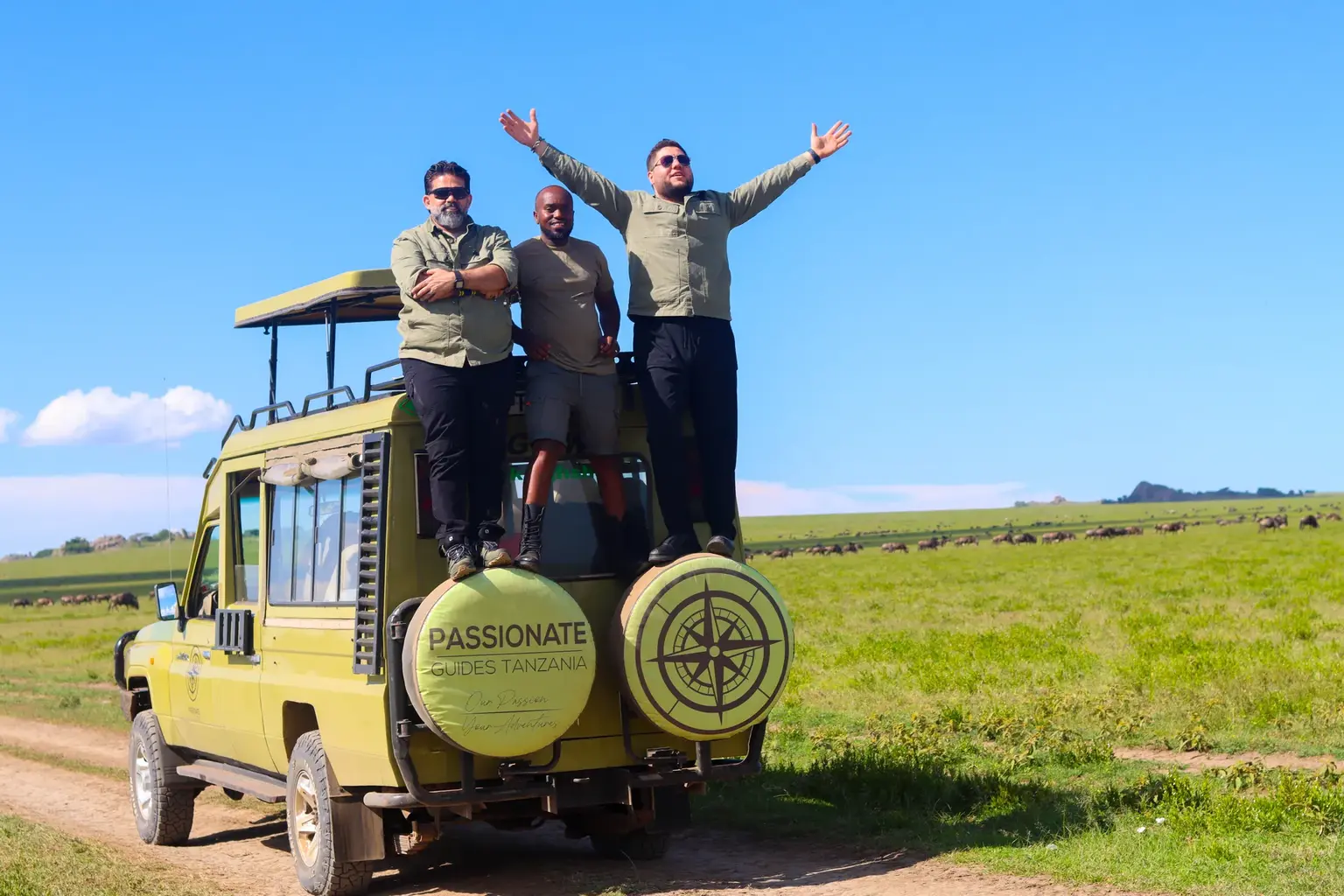
This guide covers eight Tanzania luxury safari lodges and tented camps, from the Serengeti to Ruaha. Each entry gives the setting, what you get, who it suits and a cost bracket. Two shorter sections then explain what luxury lodges really cost and how to choose and book. We are Passionate Guides Tanzania, a private safari operator in Arusha, so we focus on location, season and logistics rather than adjectives.
1. Singita Sasakwa Lodge, Grumeti
Setting and what you get
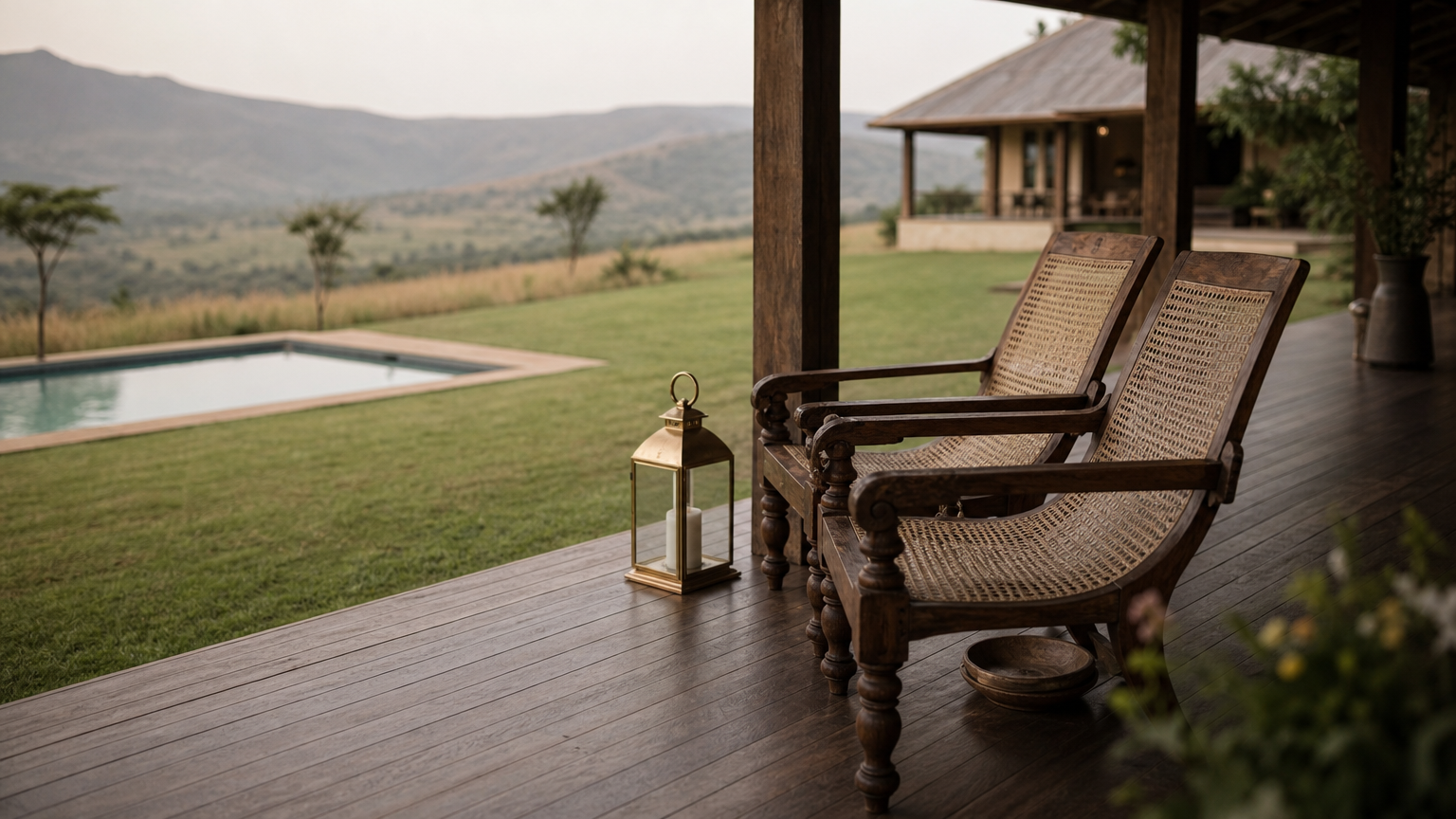
Singita Sasakwa is the grand, old-world choice among luxury safari lodges in Tanzania. It is a hilltop homestead on Sasakwa Hill inside the private Grumeti Reserve, which borders Serengeti National Park. The reserve covers about 350,000 acres, so you share it with very few vehicles. Deep verandas, rolling lawns and carved East African antiques make it feel like a country house, which is why it works well as a soft landing for a first safari.
- Rooms: about ten private units, from one-bedroom cottages to a four-bedroom villa, with private pools.
- Extras: tennis courts, a spa, a gym, a boutique and tasting menus cooked by graduates of an on-site cooking school.
- Activities: private-reserve rules allow night drives and guided walks that national parks do not.
- Migration: herds typically reach Grumeti from June to August, sometimes with Grumeti River crossings.
Who it suits and cost bracket
Families, honeymooners and multigenerational groups get the most from Sasakwa. Parents like the amenities, couples like the privacy, and nobody has to leave the property to feel looked after.
Choose Sasakwa when you want a polished base with every comfort and accept the top price bracket.
Expect the top bracket for Tanzania, usually $1,500 or more per person per night in high season. Rates normally bundle meals and guided activities, but confirm what is excluded before you compare it with a cheaper camp.
2. andBeyond Grumeti Serengeti River Lodge
Setting and what you get
This lodge sits in the western Serengeti, about as close to the Grumeti River as a lodge can get. The dining and lounge areas open onto cascading decks, where you can watch hippos jostle for space in the water, especially in the dry, low-water winter months. The design is all African, with ceilings woven from banana fronds, bold kitenge cloth and local crafts, and the lodge supports community projects.
- Rooms: private plunge pools with river views and one family suite.
- Wildlife: large resident lion prides, with reports of up to 60 animals.
- Extras: complimentary Swarovski binoculars for use during your stay.
- Migration: herds typically move into the western corridor from May to July.
Who it suits and cost bracket
Honeymooners, couples and families who want a quieter Serengeti will like it. Few lodges operate in this western section, so sightings feel intimate instead of crowded.
The western Serengeti trades the busy central plains for river views, big prides and fewer vehicles.
Plan on the upper-luxury bracket, roughly $800 to $1,500 per person per night, with the peak of that range in the dry season. If you travel in May or June to catch the herds moving through, book early, because well-placed camps fill up to a year ahead.
3. Namiri Plains, eastern Serengeti
Setting and what you get
Namiri Plains is the big cat camp of the Serengeti. It sits on an isolated savannah east of the Seronera airstrip, an area that stayed closed to tourism for years so researchers could study cheetah, lion and leopard hunting. Namiri means "big cat" in Swahili, and the boulder-strewn grasslands deliver on the name. Only eight tented suites share the area.
- Rooms: stylish tented suites with wraparound views.
- Signature detail: an outdoor bath on each private deck, ideal for stargazing.
- Wildlife: reliable cheetah, lion and leopard sightings on the open plains.
- Migration: access typically runs from November to June, depending on the rains.
Who it suits and cost bracket
Namiri suits couples on a honeymoon or anniversary, and photographers who care more about predators than river crossings. The remote setting gives real privacy. It is less ideal if your priority is the July to October river crossings, which happen far to the north.
Pick Namiri for hunting cats and privacy, and treat the migration as a bonus.
It falls in the upper-luxury bracket, about $800 to $1,500 per person per night. Resident cats make it a sound choice outside migration months, when some rivals cost less but deliver less.
4. Lemala Kuria Hills, northern Serengeti
Setting and what you get
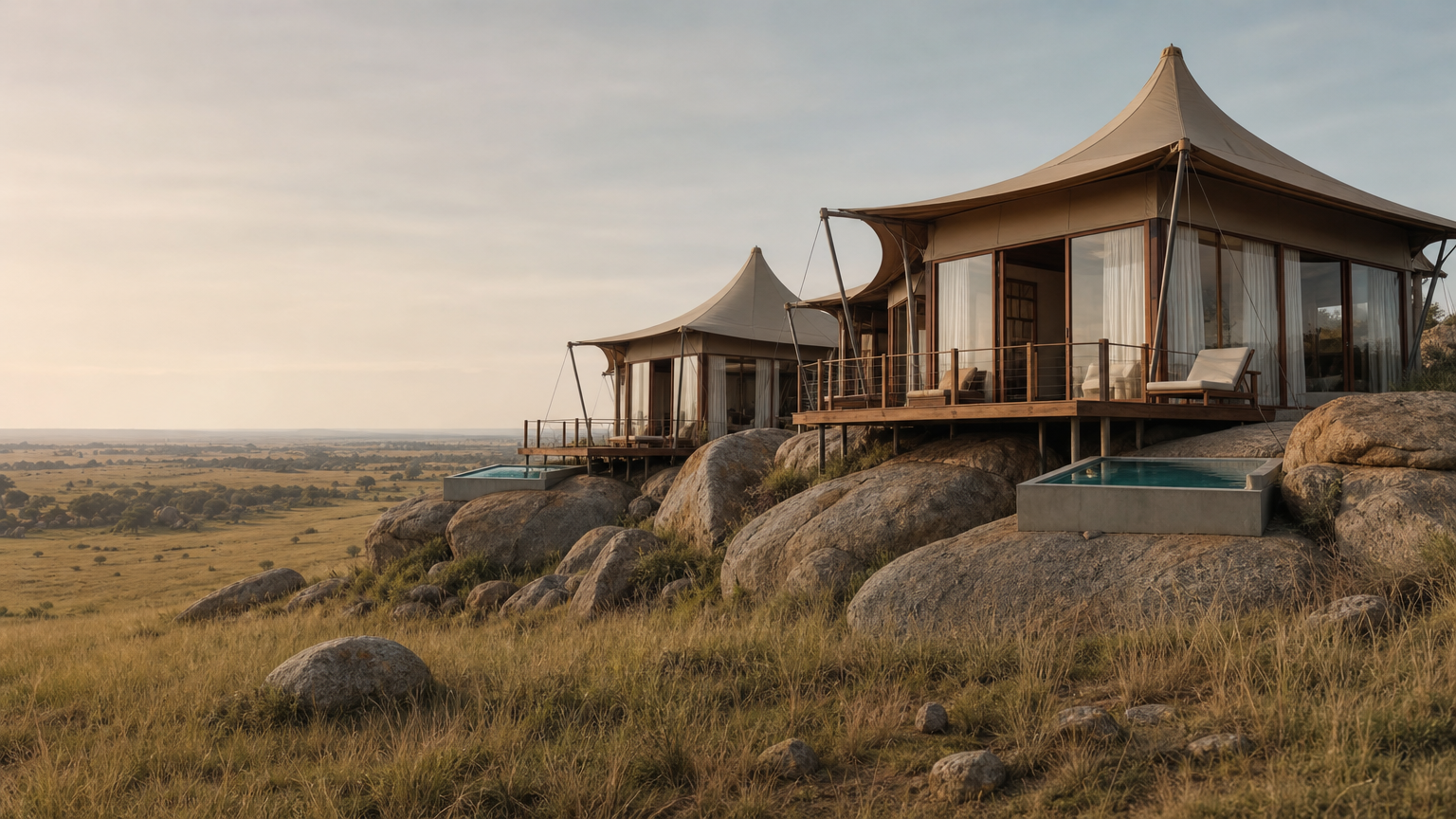
Lemala Kuria Hills is the pick for Mara River crossings. It sits among the granite boulders and kopjes of the Wogakuria Hills in the northern Serengeti, close to the river on the Kenya border. Its glass-fronted tented suites have private decks and plunge pools with panoramic views, so you can watch the plains from your own terrace.
- Rooms: glass-fronted tented suites with private plunge pools and decks.
- Location: close to the Mara River and the Kenya border.
- Migration: the herds are in this corridor from June to October, with crossings typically July to October.
- Trade-off: it is a long way from the central Seronera area.
Who it suits and cost bracket
Couples and honeymooners who want a private northern base will enjoy it. Plan at least three nights, because crossings cannot be scheduled. Herds sometimes mill at the bank for days before they commit, and a short stay can miss them.
In the north, the number of nights you stay matters more than the thread count of your sheets.
Budget in the upper-luxury bracket, around $800 to $1,500 per person per night, with July to October at the top end. Check whether park fees and the internal flight to the northern airstrip appear in the quote or arrive as extras.
5. Mwiba Lodge, southern Serengeti
Setting and what you get
Mwiba is a private-reserve lodge for travelers who want adventure without roughing it. It lies deep in a 52,000-hectare private wildlife reserve in the southern Serengeti, where ten canvas-and-glass suites sit between candelabra and fever trees. Some overlook a river where buffalo and elephant drink, and others perch on stilts on a boulder-strewn koppie. Because the land is private, you can walk and drive at night, which national parks restrict.
- Activities: guided walks, night drives, bush walks with the nomadic Hadza and sundowners on the escarpment edge.
- Extras: a wine cellar, yoga pavilion, gym, clifftop pool and optional helicopter flip.
- Migration: from December to March, migrating herds can appear as dust in the distance.
Who it suits and cost bracket
Active, curious travelers get the most from Mwiba, especially repeat safari-goers who have done the standard central Serengeti loop. The cultural walks with the Hadza add a human dimension that a lodge pool cannot.
Mwiba is for travelers who want to leave the vehicle, not just watch from it.
Expect the upper-luxury bracket, roughly $800 to $1,500 per person per night, and ask whether activities like the helicopter flip are included or billed separately. Most guests arrive by light aircraft, which can add to the total.
6. The Highlands, Ngorongoro Conservation Area
Setting and what you get
The Highlands is a small, solar-powered camp on the Olmoti Crater with a low environmental footprint. It has eight geodesic-domed tents, and the design borrows from the Scottish highlands and traditional Maasai bomas. Expect tartan, cowhide rugs, heather-colored throws and wood-burning stoves, which you will use, because nights at altitude are cool. Its edge is access to Ngorongoro Crater through the northerly Lemala Gate, on the opposite side from most lodges.
- Rooms: eight domed tents with a ski-lodge feel.
- Crater access: fewer vehicles and easier early-morning entry.
- Wildlife in the crater: lion, black rhino, elephant, zebra and wildebeest.
- Extras: a hike around Empakai Crater lake, with waterfalls, orchids and a soda lake.
Who it suits and cost bracket
Travelers who want a quiet, design-led base and some hiking between game drives will like it. It pairs well with a Serengeti stay on a northern circuit, and the camp's character is a refreshing change after sunbaked plains.
Come here for a calmer way into the crater, not for a swimming pool and sunburn.
Plan on the upper-luxury bracket, about $800 to $1,500 per person per night. Pack layers, because the highlands are cold at dawn.
7. Forest Chem Chem Camp, Tarangire
Setting and what you get
Forest Chem Chem is a tiny, exclusive-use bush camp under a grove of fever trees. It is one of three camps in the 20,000-hectare Burunge private concession, a conservation buffer between Lake Manyara and Tarangire National Park, set up to revive a vital elephant migration corridor. It has only three vintage-style tents with four-poster wrought-iron beds, and the camp is unfenced. Guests have been known to drink morning coffee while a herd of about fifty elephants walks past.
- Privacy: exclusive use of the camp, with a private vehicle and guide.
- Activities: walking with a Maasai warrior along the Tarangire River and open-fire cooking with a private chef.
- Park: Tarangire has large elephant numbers and giant baobabs, and dry months concentrate animals near water.
Who it suits and cost bracket
Small groups, such as a family or two couples, who want the whole camp to themselves will get the most from it. Guests are encouraged to take it slow, so it suits travelers who build their day as they go instead of following a fixed drive schedule.
Forest Chem Chem sells privacy by the camp, not by the room, so compare the all-in price.
Exclusive-use pricing sits between the upper-luxury and top brackets, so ask for an all-in quote that covers the vehicle, guide, meals and activities. Tarangire is within a half-day drive of Arusha, which makes it a convenient first or last stay.
8. Jabali Ridge, Ruaha National Park
Setting and what you get
Jabali Ridge is the remote southern option. Ruaha National Park covers 20,226 square kilometers, about 40 percent bigger than the Serengeti, with a fraction of the visitors. The lodge's eight futuristically shaped suites, open-to-the-elements main area, infinity pool and spa are tucked between enormous boulders on a kopje, with 360-degree views over giant baobabs. Lions and leopards patrol the banks of the Great Ruaha River, and elephant and buffalo herds are common.
- Rooms: eight suites plus a private family villa with its own pool.
- Activities: game drives and walks in a park with few other vehicles.
- Access: most guests arrive by light aircraft.
Who it suits and cost bracket
Repeat safari-goers and travelers who want a final-frontier feel will rate Jabali Ridge highly. It is a good second Tanzania trip after the northern circuit. Our own 7-day southern Tanzania safari follows this idea, a luxury tented safari through Nyerere (Selous) and Ruaha with intimate, exclusive camps.
Ruaha rewards travelers who value emptiness over a famous name.
Expect the upper-luxury bracket, roughly $800 to $1,500 per person per night, with lower rates in the quieter green season. Remember that internal flights to a southern park can be a meaningful extra, so ask what the quote includes.
How much luxury safari lodges in Tanzania cost
What the nightly rate usually covers
Luxury lodges in Tanzania price per person per night, and the rate normally covers accommodation, meals and guided game drives. Many also include drinks and laundry. Park or conservation fees, internal flights, premium activities such as balloon rides or helicopter flips, and tips are often separate, so read each quote line by line.
A nightly rate is only comparable to another when both quotes list the same inclusions.
- Included in most quotes: lodging, full board, and game drives with a guide.
- Often extra: park fees, light-aircraft transfers, balloon flights and gratuities.
- Worth asking: whether a private vehicle is standard or carries a surcharge.
Price brackets by lodge style
The table sets out planning brackets for high season. These are approximate figures based on typical published rates, and they change by year and month, so confirm them when you book.
| Bracket | Typical style | Approx. per person per night | Lodges in this guide |
|---|---|---|---|
| Top | Private reserve, a handful of cottages, full amenities | $1,500 to $3,000+ | Singita Sasakwa |
| Upper luxury | Tented camps and lodges with 8 to 10 suites | $800 to $1,500 | andBeyond Grumeti, Namiri Plains, Lemala Kuria Hills, Mwiba, The Highlands, Jabali Ridge |
| Entry luxury | Comfortable lodges and tented camps, larger properties | $450 to $800 | Not in this guide |
Forest Chem Chem sits between the first two brackets because you pay for exclusive use of the camp.
A worked example for a couple
Say a couple spends seven nights, three at a top-bracket lodge at $1,800 per person and four at an upper-luxury camp at $1,100 per person. The top-bracket nights cost 3 × $1,800 = $5,400 each, and the camp nights cost 4 × $1,100 = $4,400 each. That is $9,800 per person, or $19,600 for two, before international flights, tips, insurance and any activities billed separately. The green season usually lowers these rates, while June to October pushes them up.
How to choose and book your lodge
Match the lodge to your travel month
Pick the region first, then the lodge. Where the herds are decides which camp makes sense, because a lodge in the wrong region in the wrong month leaves you with ordinary sightings at luxury prices. Combine the dates below, which follow the migration month by month, with a stay of at least three nights.
| Region | Typical timing | Lodge from this guide |
|---|---|---|
| Western corridor | May to July | andBeyond Grumeti River Lodge |
| Grumeti Reserve | June to August | Singita Sasakwa |
| Northern Serengeti | July to October | Lemala Kuria Hills |
| Southern Serengeti | December to March | Mwiba Lodge |
| Eastern plains | November to June | Namiri Plains |
| Ngorongoro, Tarangire, Ruaha | Dry months, June to October, concentrate animals | The Highlands, Forest Chem Chem, Jabali Ridge |
Choose the region by the herds, then pick the lodge by the style you like.
Check the details that change the experience
Before you commit, check how many suites the camp has, whether walking and night drives are allowed, and how you get there. Small camps with eight to ten suites feel private, while Four Seasons Safari Lodge Serengeti, with 77 rooms, suites and villas, suits travelers who want hotel-style service over seclusion. If you want to follow the herds, a mobile camp such as andBeyond Serengeti Under Canvas moves five times a year to stay near the action.
Families should ask about family suites and child policies, since some small camps have limits. If you want a luxury tent safari, confirm that the tent has an ensuite bathroom and a proper bed.
How booking works with us
We plan private safari tours with a dedicated guide, and our 7-Day Tanzania Classic Safari runs from Arusha through the northern parks with midrange or luxury lodges or luxury tented camps. Share your travel month and shortlist, and we will check how a lodge fits a route. Book up to a year ahead for prime camps.
Our terms are straightforward. A 30% deposit is due within 14 days of the invoice, with the balance due 42 days before arrival. Comprehensive travel insurance is mandatory, and our safaris and treks include AMREF Flying Doctors evacuation, which matters in remote reserves.
Choosing your lodge
A luxury safari lodge in Tanzania earns its price through location, small scale and the freedom to move beyond a standard park drive. Match the region to your month, check what the rate includes, and spend at least three nights so the place can do its work. Whether you want Sasakwa's polish, Namiri's cats, Mwiba's walks or Ruaha's emptiness, there is a camp that fits.
When you are ready to shortlist, build a private luxury safari with Passionate Guides Tanzania around our 7-day Tanzania classic safari and tell us your dates, party size and budget bracket.