Planning a Masai Mara Kenya safari usually starts with three questions. What will it cost, where should you stay, and when should you go? Prices swing widely, lodges range from simple tented camps to private-conservancy luxury, and a badly timed trip can mean a quiet reserve or a crowded one.
Here is the short answer. Expect roughly $250 to $1,000+ per person per night, depending on the camp style and season. The best time to go is July to October, when the Great Migration crosses the Mara River. January to March is quieter and cheaper, with excellent predator sightings.
Below, you get a clear cost breakdown, a comparison of lodges and camps inside the reserve and in the conservancies, and a month-by-month look at the seasons. We run private guided safaris from Arusha, and our founder has guided across East Africa since 2012. That is why we also show how to pair the Mara with the Serengeti in one trip, since the migration moves between both.
Why a Masai Mara safari is worth planning carefully
What makes the Mara different
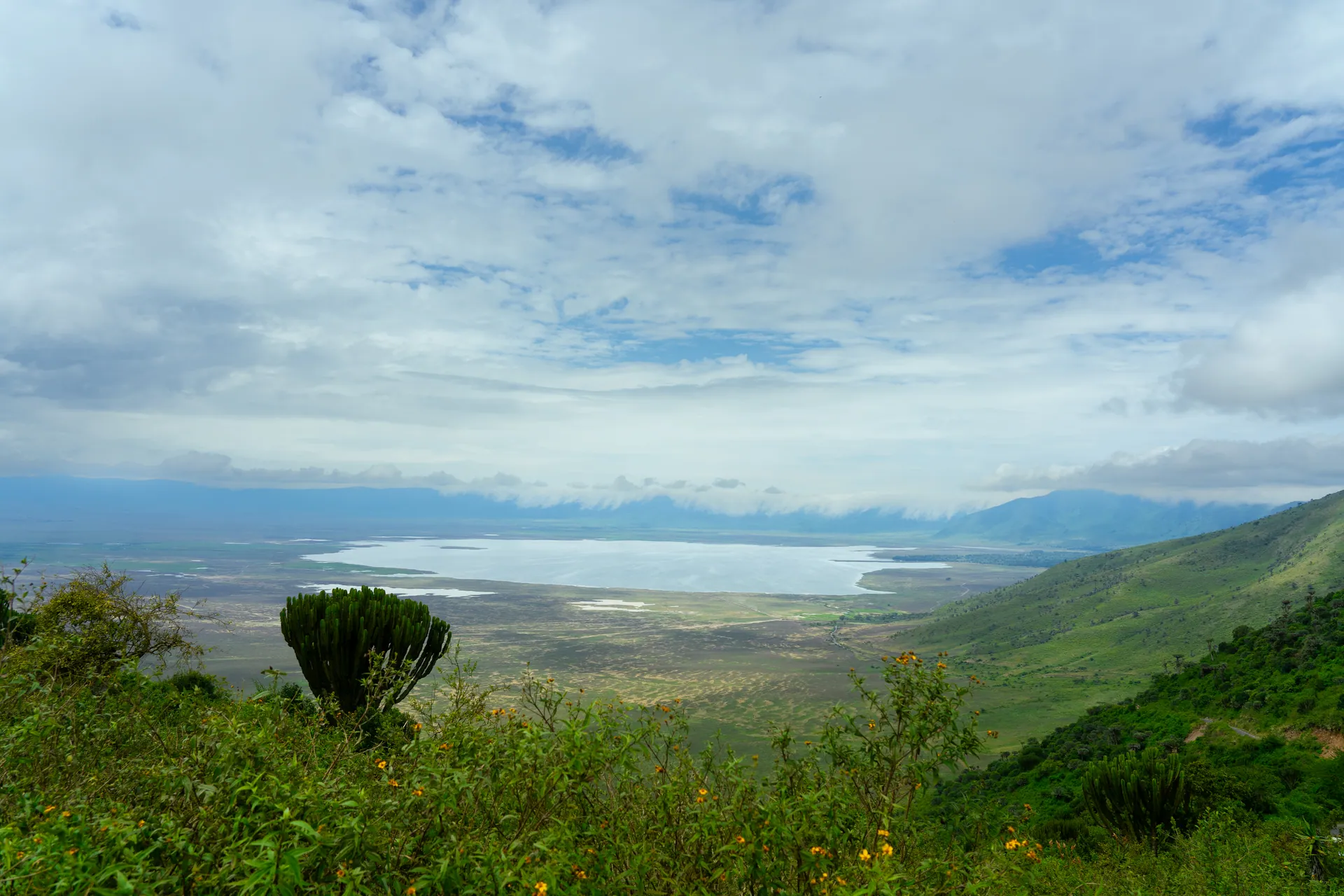
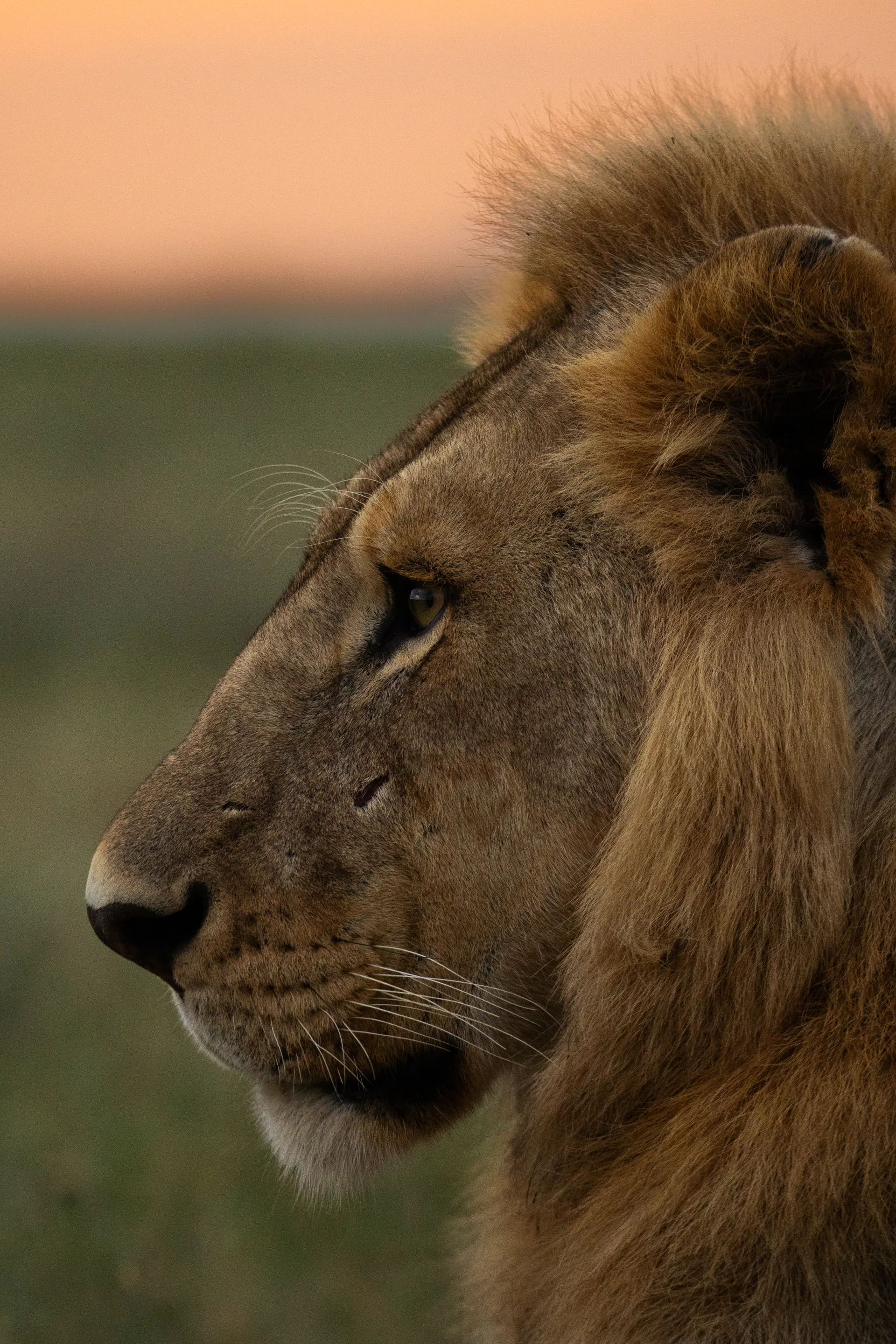
A Masai Mara Kenya safari puts you in one of the densest wildlife areas in Africa. The reserve covers about 1,510 square kilometers of open savanna and forms the northern tip of the Mara-Serengeti ecosystem. You can see all of the Big Five here, and lion, cheetah and leopard sightings are among the most reliable on the continent. You will also see the name spelled Maasai Mara. It is the same place.
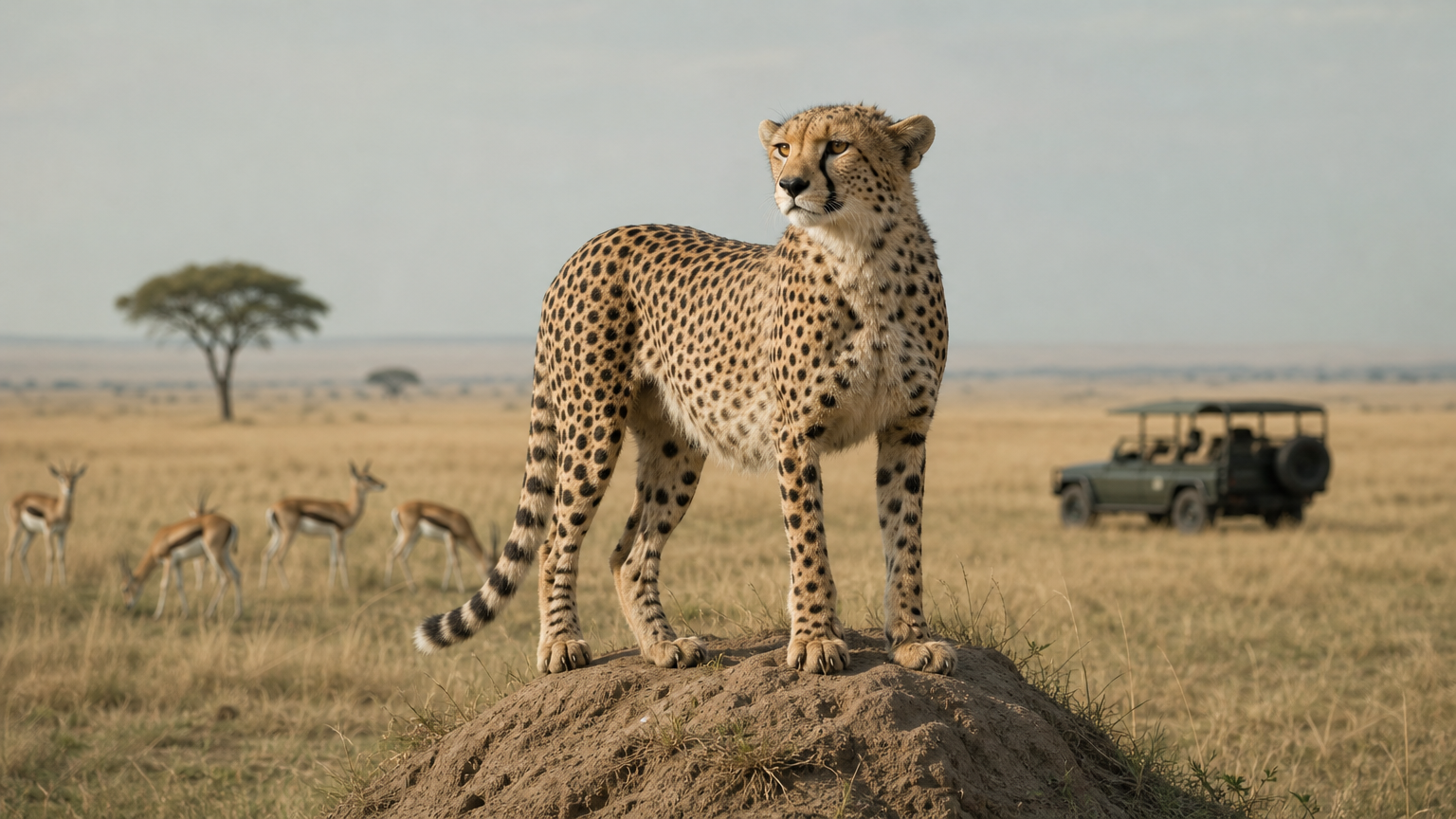
The open grassland is the reason. Animals have little cover, so you watch a cheetah stalk gazelles from a distance instead of catching a glimpse in the bush. From July to October, the Great Migration adds well over a million wildebeest and hundreds of thousands of zebra to the plains. Their Mara River crossings are the most famous wildlife scene in East Africa.
Why the details matter
Popularity is the catch. The same fame that fills the reserve in peak season means your choices change the trip far more than the price tag suggests. Two travelers can spend the same money and have very different weeks. One shares a river crossing with 30 minibuses. The other watches a lion pride alone in a private conservancy.
The biggest choice is where you stay and drive. Here is how the two main options compare:
| National Reserve | Private conservancies | |
|---|---|---|
| Vehicles at a sighting | Often crowded in peak season | Strictly limited |
| Night drives and walks | Not allowed | Usually allowed |
| Off-road driving | Restricted | Permitted for some sightings |
| Typical cost | Lower to mid | Mid to high |
| Migration river crossings | Closer access | A drive away, usually in the reserve |
Where you stay in the Mara shapes your experience more than how much you spend.
Timing needs the same care. The herds follow rain and grass, not the calendar, so nobody can promise a crossing on a given day. Plan at least three full nights in the Mara, and ask your operator how flexible the route can be. A guide who reads the herd movements each morning will often put you at the right bank before the crowds arrive. That local judgment is hard to buy later, so settle these questions before you book.
How to plan your Masai Mara safari in Kenya
Getting there and how long to stay
Most travelers start a Masai Mara Kenya safari in Nairobi. You can fly about 45 minutes from Wilson Airport to an airstrip near your camp, or drive five to six hours, with the last stretch on rough road. Flying costs more but saves most of a day. Allow three to four nights in the Mara itself.
A simple planning checklist
Work through these five steps in order, before you request quotes:
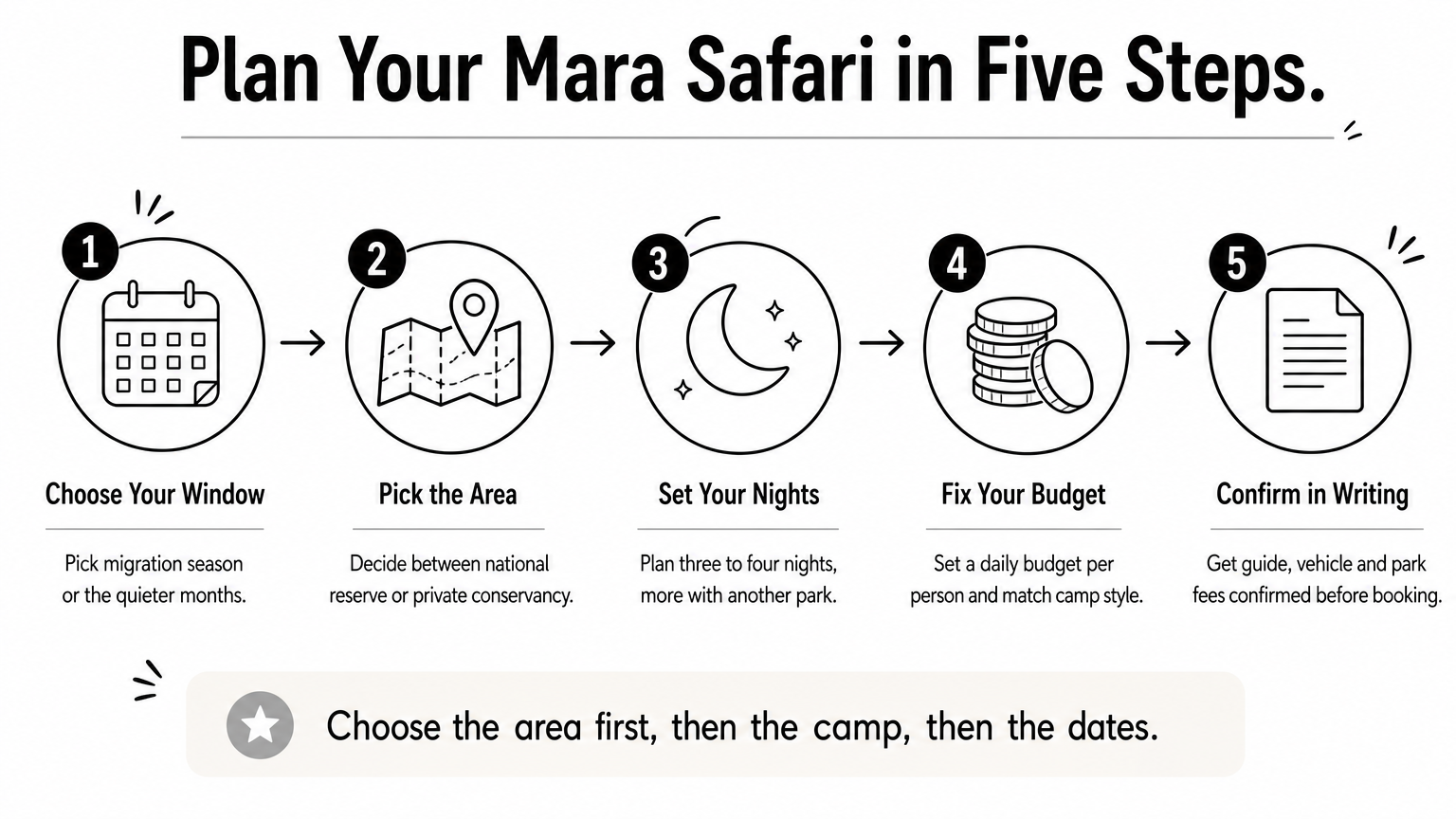
- Choose your travel window: migration season or the quieter months.
- Pick the area: national reserve or a private conservancy.
- Set your nights: three to four in the Mara, more if you add another park.
- Fix a daily budget per person, then match camp style to it.
- Confirm the guide, the vehicle and the park fees in writing.
Choose the area first, then the camp, then fine-tune the dates.
Small camps with 10 to 20 tents fill early. For July to October, reserve six to nine months ahead. For January to March, two to three months is usually enough.
Pairing the Mara with Tanzania
Many guests add the Serengeti, because the herds cross between both parks. A combined Kenya and Tanzania safari lets you see the Mara first, then follow the migration south. One operator handling both sides keeps vehicles, guides and border logistics seamless, so you spend your time watching wildlife instead of coordinating transfers.
Masai Mara safari costs and what drives the price
Typical nightly rates
A Masai Mara Kenya safari is priced per person per night, and most rates are full board with game drives included. Use these ranges as a starting budget for your planning.
| Camp style | Per person per night | What you get |
|---|---|---|
| Basic tented camp | $250 to $400 | Simple tents, reserve location, shared areas |
| Mid-range camp | $400 to $650 | En-suite tents, smaller camps, better guiding |
| Luxury or conservancy | $650 to $1,000+ | Limited vehicles, night drives, walks |
What moves the price
Season is the biggest lever. Peak months from July to October often cost 30 to 50 percent more than the green season. Park fees matter too. Non-resident reserve fees run about $200 per adult per day in peak months and roughly $100 in low season, so confirm current rates in writing.
Season and area set your price, and the camp's finish only fine-tunes it.
Extras add up quickly. A round-trip flight from Wilson Airport usually costs $300 to $450 per person, and a dawn balloon ride runs about $450 to $500. Private vehicles cost more than shared ones, but you choose the pace and never wait for strangers at a sighting.
When you compare Kenya safari tours in the Masai Mara, check what each quote includes. Look for park and conservancy fees, transfers, drinks, and guide gratuities. A cheap headline rate that leaves these out often ends up costing more than an honest all-inclusive price.
Best lodges and camps by area and budget
Inside the national reserve
The reserve suits you if you want the closest access to the Mara River at a lower price. Established options such as Mara Serena Safari Lodge and Sarova Mara Game Camp sit here. Peak season brings many vehicles, so ask whether the camp's guides leave at first light, before the crowds gather at the crossing points.
Private conservancies
Conservancies such as Olare Motorogi and Mara North are leased from Maasai landowners and cap the number of beds per acre. That gives you night drives, guided walks and off-road sightings that the reserve does not allow. Camps like Mara Plains Camp and Angama Mara, which overlooks the reserve from the escarpment, sit at the luxury end. Your conservancy fees also support the local families who own the land.
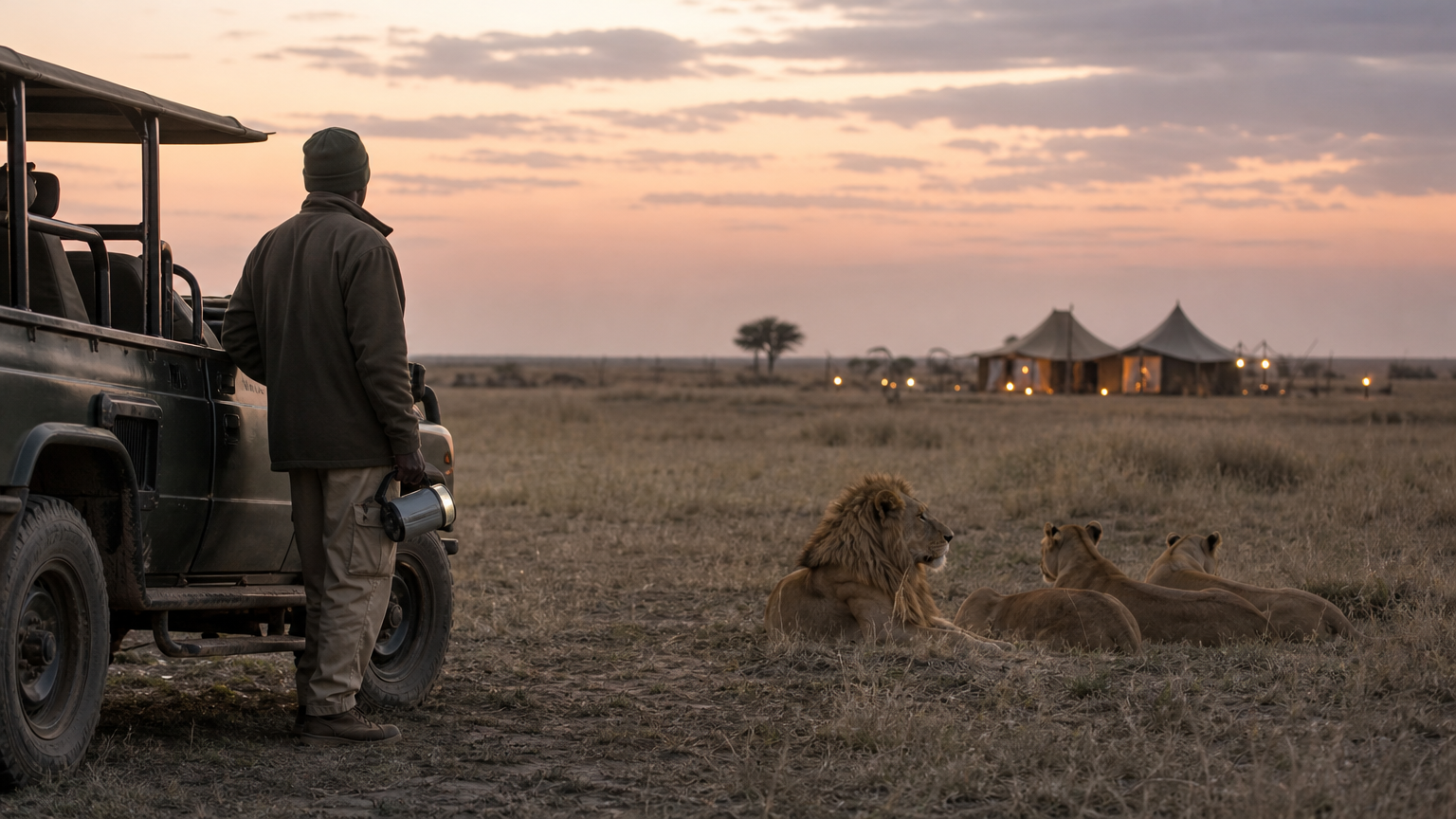
Choose a camp for its guides and its location, not its pool.
Matching camp to budget
For a safari in Masai Mara Kenya, this pairing works well for most travelers:
| Budget per person per night | Best fit | Why |
|---|---|---|
| $250 to $400 | Reserve tented camp | Lowest cost, river access |
| $400 to $650 | Small mid-range camp | Better guiding, fewer tents |
| $650 to $1,000+ | Conservancy camp | Fewer vehicles, night drives |
Many of our guests split their stay. They spend two nights in a conservancy for quiet predator viewing, then two inside the reserve to be near the river during migration season. It balances cost and access without a full luxury bill.
Best time to go and when to avoid the crowds
Month-by-month seasons
The dry season from July to October is the classic time for a Masai Mara Kenya safari, because the herds reach the Mara River. Rains shift from year to year, so treat these dates as a guide, not a promise.
| Months | What to expect | Crowds and rates |
|---|---|---|
| July to October | River crossings, dry roads | Highest |
| November to December | Short rains, green plains | Moderate to low |
| January to March | Resident predators, clear skies | Low |
| April to May | Long rains, muddy tracks | Lowest, some camps close |
| June | Early herds, quiet camps | Moderate |
How to dodge the crowds
The smartest compromise is a shoulder month. Late June and November often give you herds on the move with far fewer vehicles, and nightly rates drop. January to March is the best value, with excellent big cat sightings and open grassland.
Quiet and river crossings rarely arrive together, so decide which one matters more before you pick your dates.
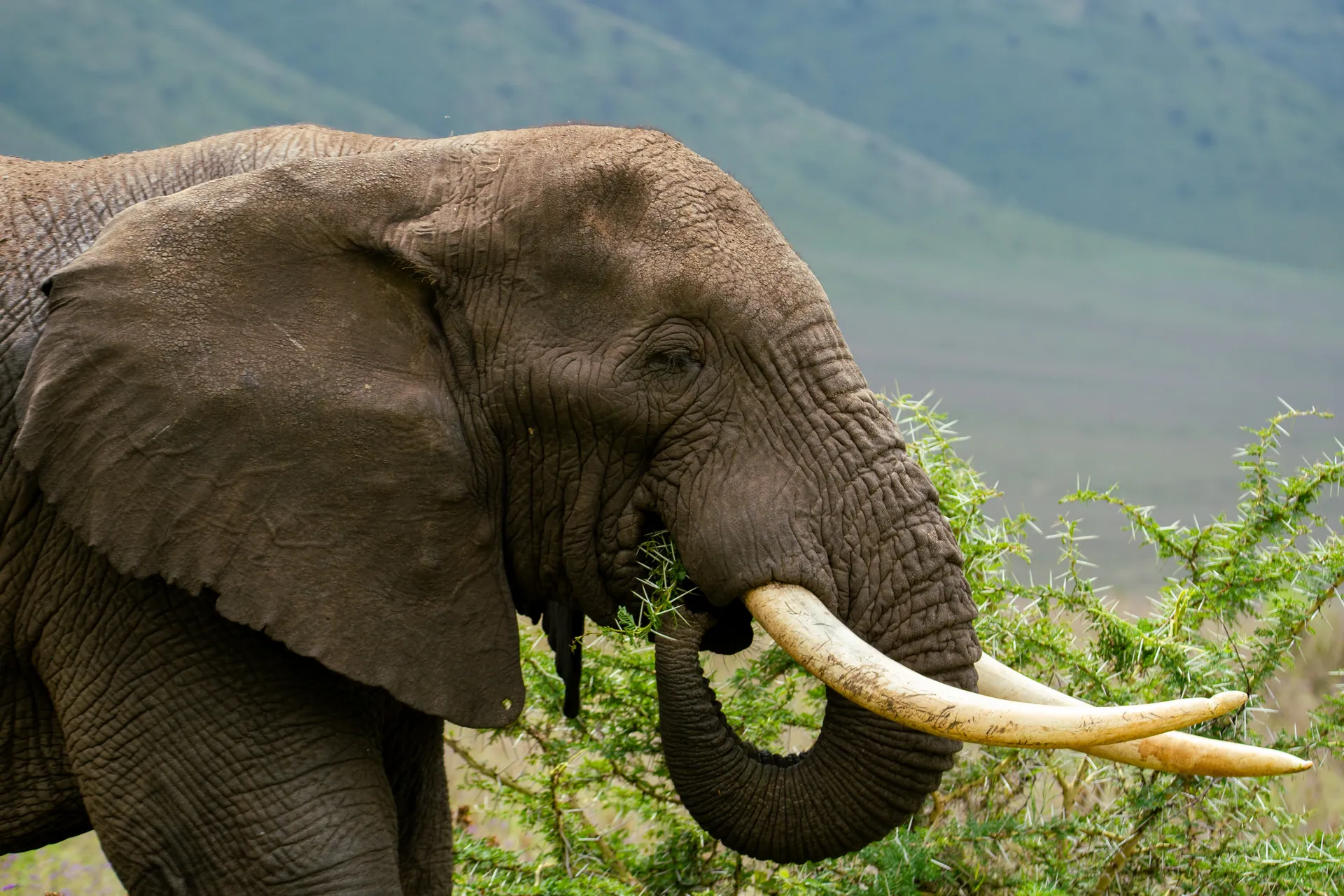
Peak season can still work if you plan around it. On a Kenya Masai Mara safari in August, stay in a conservancy and ask your guide to leave camp at first light. Spend only one or two mornings at the crossing points, and use the rest of your days for lions, cheetahs and elephants elsewhere. In April and May, confirm that your camp is open before you book, since several close for the rains.
Choosing the right Mara safari for you
The right Masai Mara Kenya safari comes down to three decisions. Pick your season first, then choose reserve or conservancy, then match a camp to your nightly budget. July to October gives you river crossings at the highest prices. January to March gives you quiet plains and the best value. Shoulder months sit in between.
Whatever you choose, ask for a written quote that lists park fees, flights and transfers. A clear all-inclusive price beats a cheap headline rate, and a good guide matters more than a pool.
If you want help turning these choices into a real itinerary, talk to a local team. We build private guided trips from Arusha, including Kenya and Tanzania combinations. Contact Passionate Guides Tanzania to plan your private Masai Mara safari and tell us your dates and budget.