The Ultimate East Africa Safari Guide: Top Destinations, Best Time to Visit, and Insider Tips
Planning an African safari is the ultimate bucket-list dream, but choosing where to go can feel overwhelming. East Africa is home to some of the most celebrated wildlife sanctuaries on earth.
From the endless, predator-packed savannahs of the Serengeti to the misty rainforest ridges where wild mountain gorillas roam, this comprehensive guide breaks down the region’s premier destinations to help you plan the perfect itinerary.
1. Serengeti National Park, Tanzania: The Land of Endless Plains
Serengeti National Park represents the quintessential African safari landscape. Stretching across 14,750 square kilometers, its name derives from the Maasai word Siringet, meaning "endless plains." It is globally renowned for its sweeping horizons and unmatched wildlife numbers.
Witnessing the Great Wildebeest Migration
The Serengeti serves as the main stage for the Great Migration. Each year, over 1.5 million wildebeest and hundreds of thousands of zebras and gazelles move in a massive circular trek across the ecosystem in search of fresh grazing lands and water.
Africa’s Ultimate Predator Capital
Because of its immense prey base, the Serengeti supports one of the highest concentrations of large carnivores in Africa.
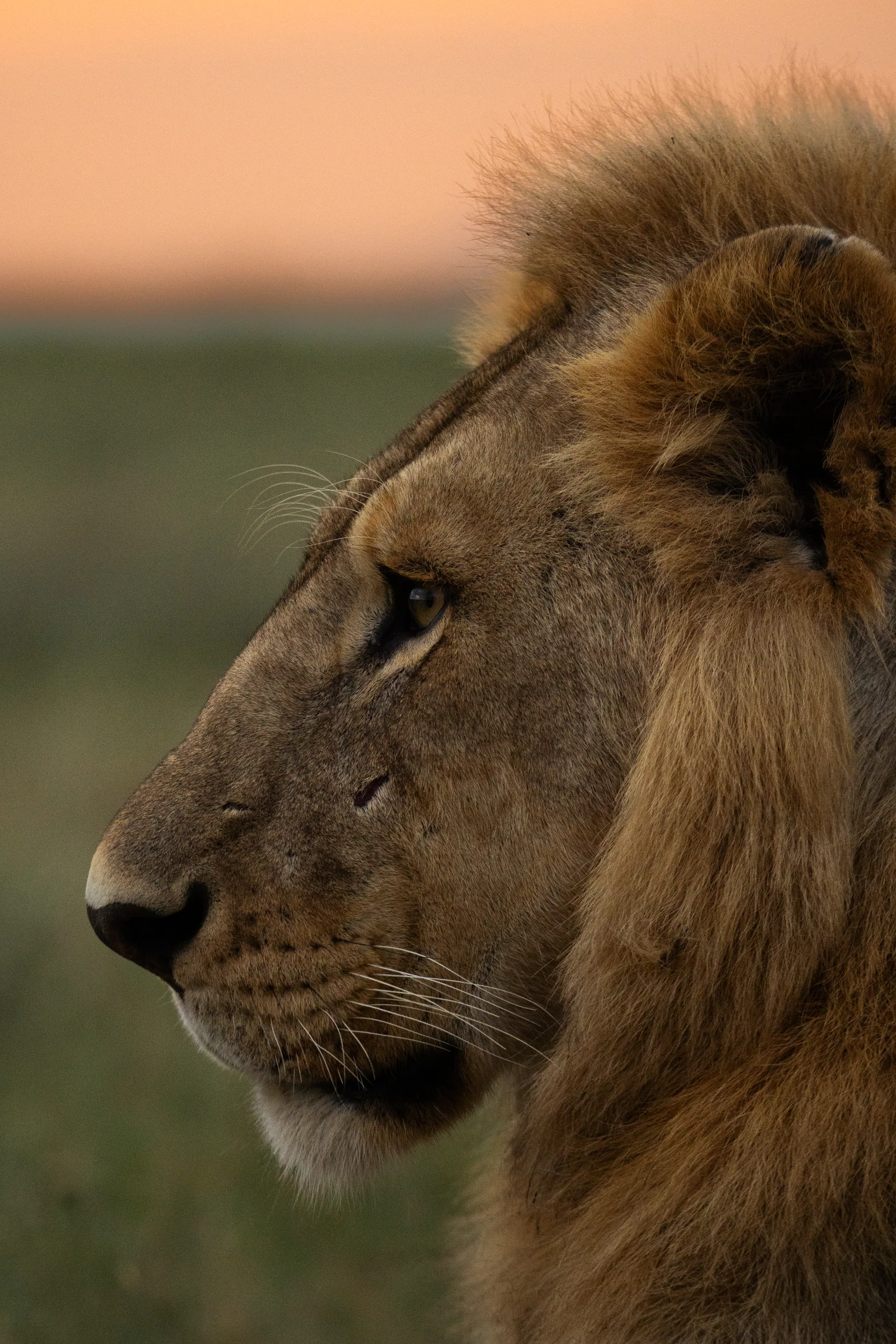
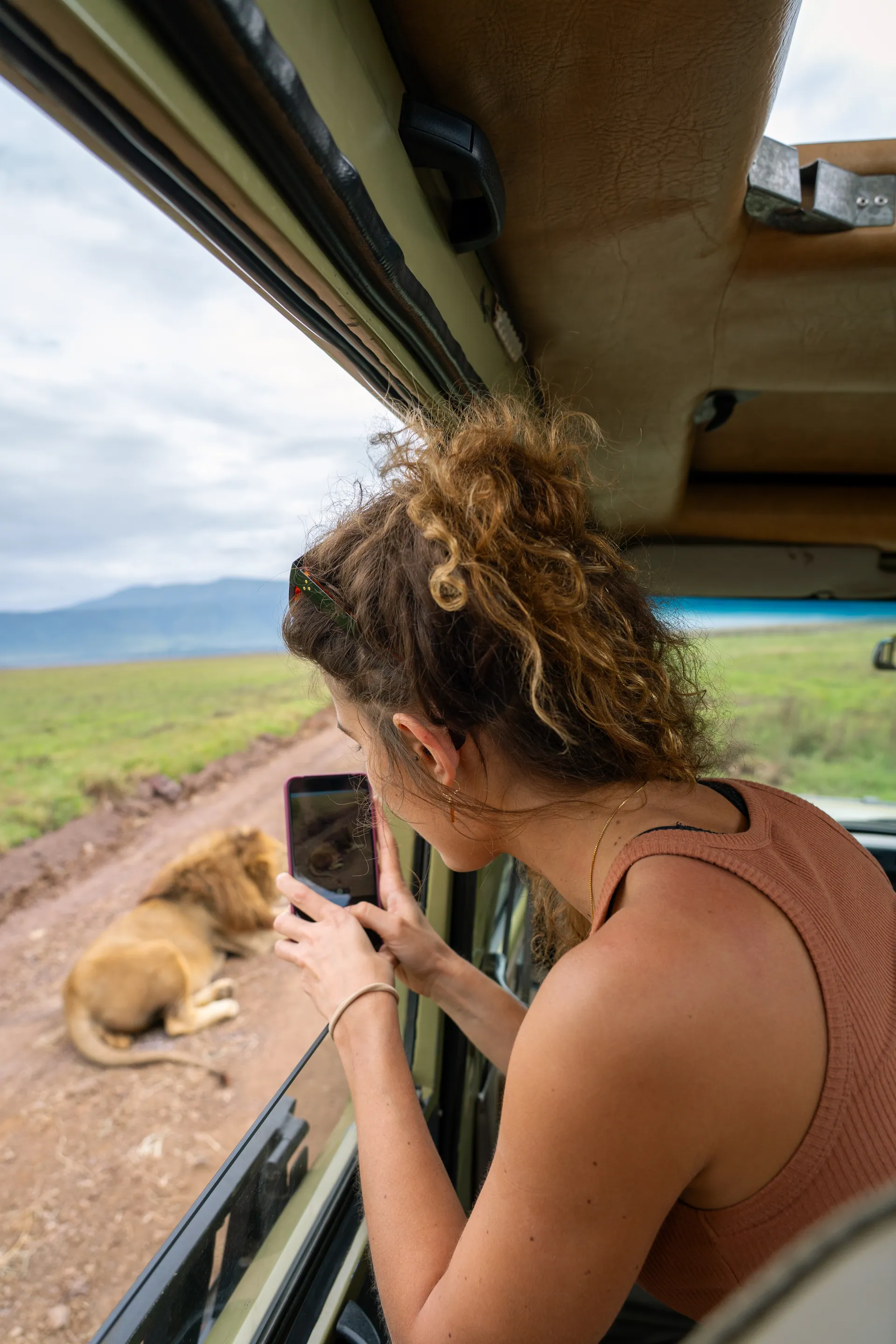
Lion Prides: Large, multi-generational prides frequently lounge on massive granite kopjes (rock formations) that dot the plains.
Cheetahs & Leopards: The open southern plains are ideal hunting grounds for cheetahs, while the acacia-lined rivers of the central Seronera valley hide elusive leopards.
Unmissable Serengeti Experiences
Hot Air Balloon Safaris: Float silently above the plains at dawn to watch the sunrise over the savannah, followed by a champagne breakfast in the bush.
Mobile Tented Camps: Stay in luxury eco-camps that pack up and move several times a year to ensure you are always positioned near the heart of the migrating herds.
2. Masai Mara National Reserve, Kenya: Action-Packed Savannahs
The Masai Mara National Reserve is the northern continuation of the Serengeti ecosystem into Kenya. While significantly smaller in geographic footprint, its dense wildlife concentrations ensure exceptionally rewarding game drives year-round.
The Dramatic Mara River Crossings
Between July and October, the migrating herds arrive at the steep banks of the Mara River. Watching thousands of wildebeest plunge into crocodile-infested waters while lions wait on the opposite bank is one of nature’s most intense, dramatic spectacles.
Seamless Big Five Sightings
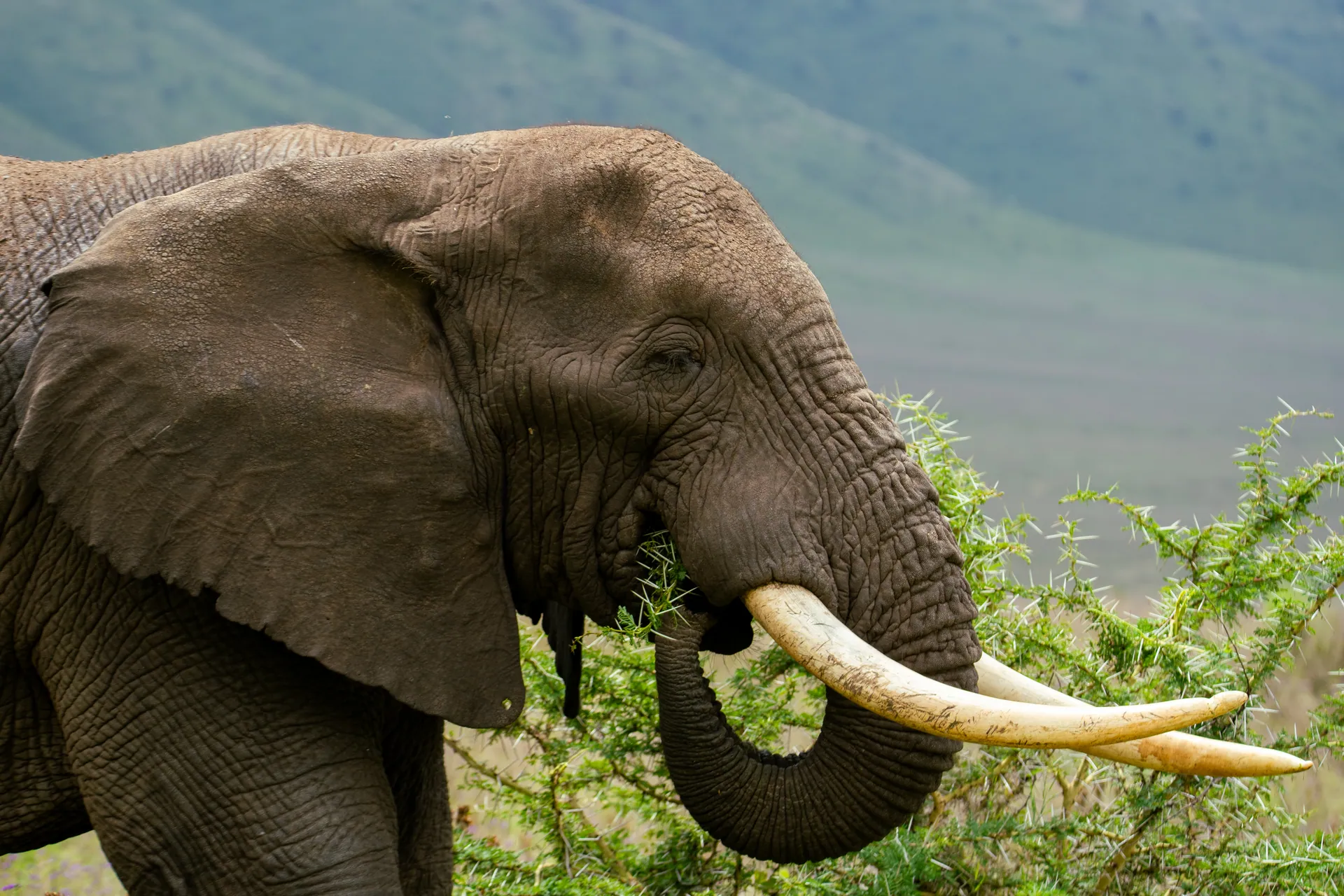
The Mara’s open terrain offers excellent visibility. It is one of the easiest places in East Africa to tick off the entire Big Five (lion, leopard, elephant, buffalo, and rhino) within a relatively short period, making it a favorite for professional wildlife photographers and documentary crews.
Cultural Encounters with the Maasai
The reserve borders traditional Maasai lands. Integrating a visit to a local Manyatta (village) allows travelers to meet the iconic pastoralist warriors, learn about their ancient customs, and see firsthand how local communities partner with conservancies to protect wildlife.
3. Ngorongoro Crater, Tanzania: Africa's Eden
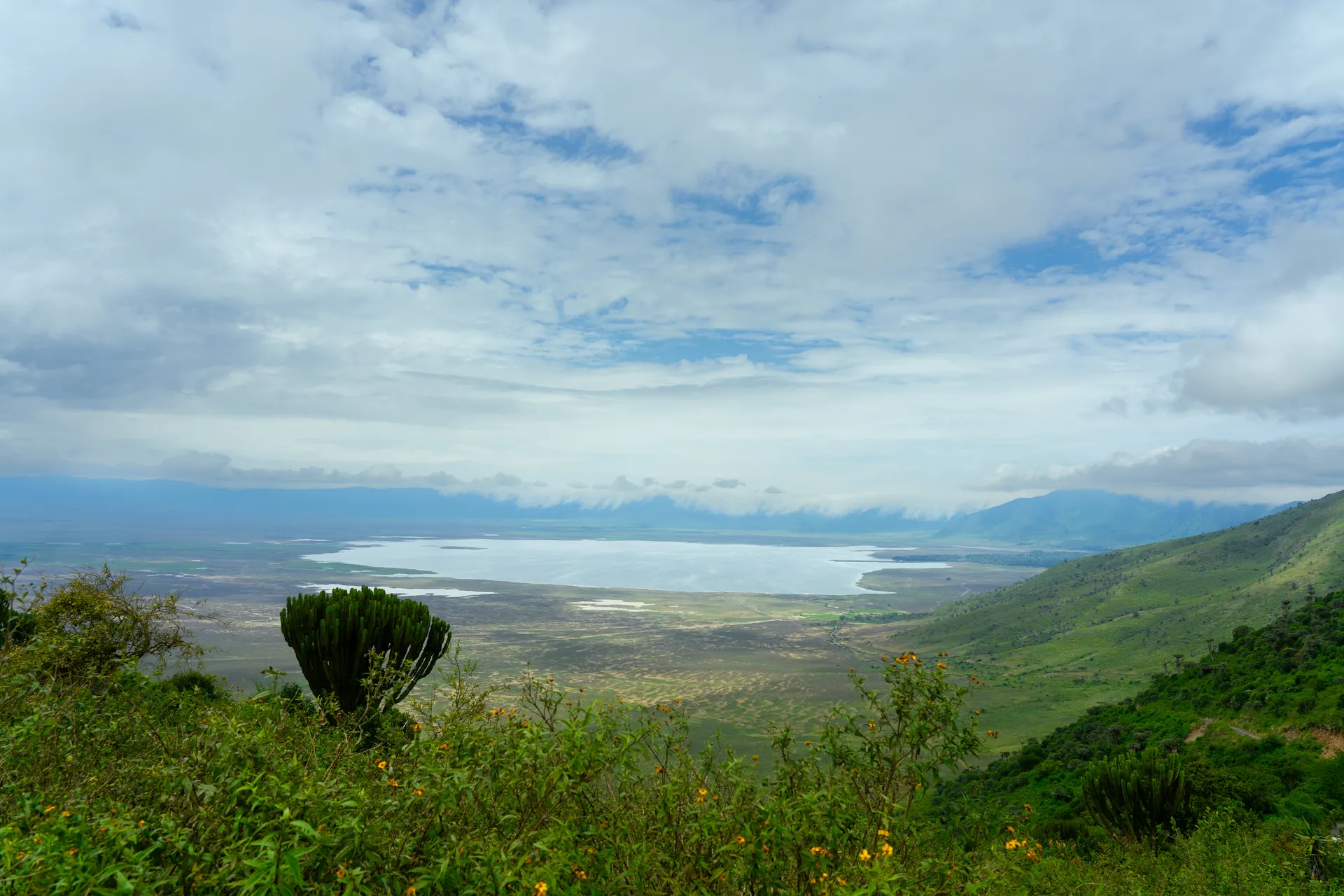
The Ngorongoro Crater is the world’s largest intact, unfilled volcanic caldera. Formed over two million years ago when a massive volcano collapsed, this geological wonder creates a unique, self-contained ecosystem.
A Vibrant, Self-Contained Ecosystem
The crater walls drop steeply over 600 meters down to the caldera floor. Enclosed within this 260-square-kilometer space are roughly 30,000 resident animals, creating a natural amphitheater where wildlife interacts in remarkably close proximity.
A Safe Haven for the Black Rhino
Due to its natural perimeter and heavy anti-poaching surveillance, the crater floor is one of the most reliable places in East Africa to spot the highly endangered black rhinoceros.
Breathtaking Visual Contrast
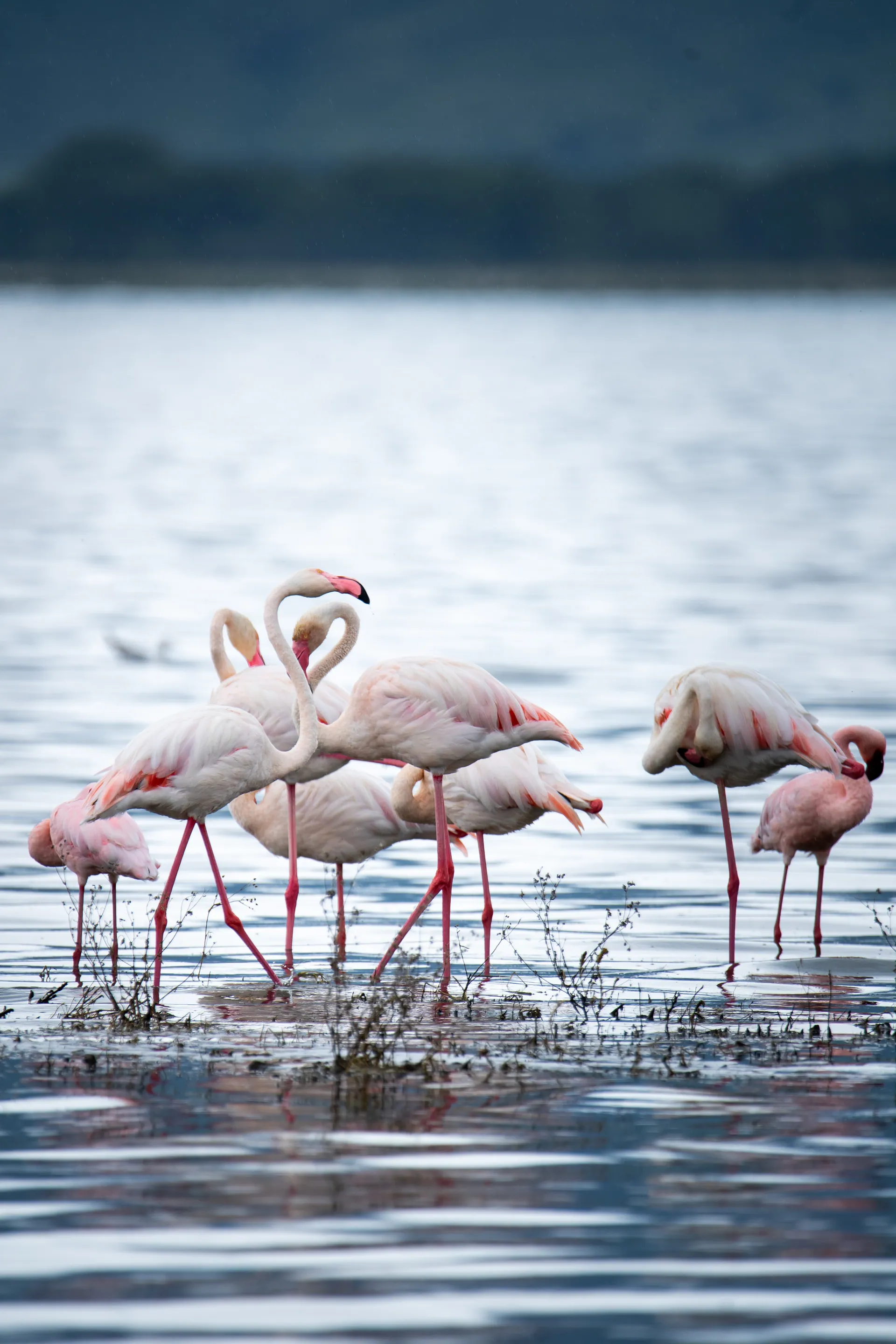
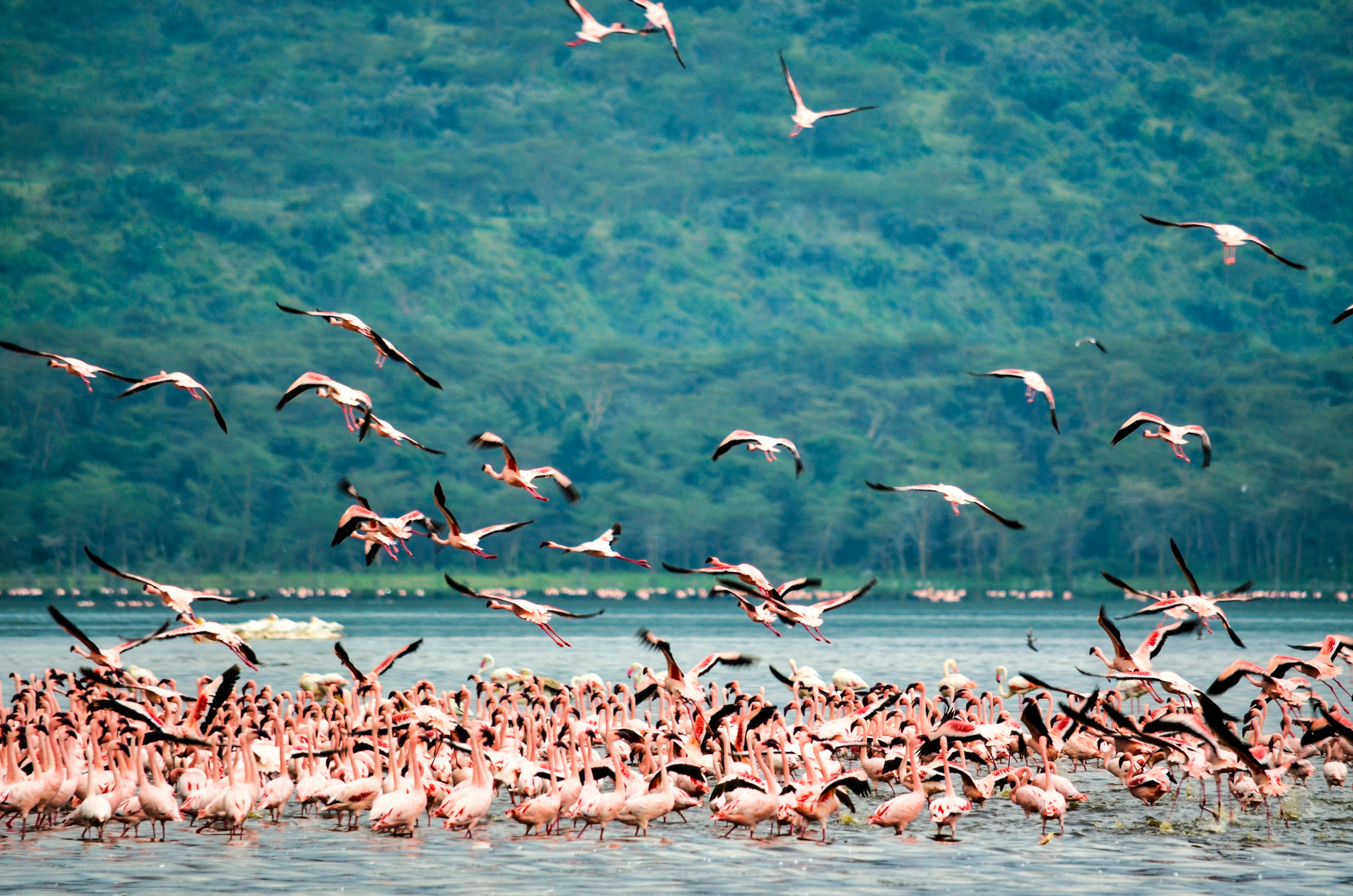
The transition of environments within the crater is striking. You will descend through lush, misty cloud forests on the rim down into open grasslands, fever tree forests, and the bright white crusts of the alkaline Lake Magadi, which regularly hosts thousands of pink flamingos.
4. Bwindi Impenetrable National Park, Uganda: Into the Rainforest
Bwindi Impenetrable National Park offers a stark, beautiful contrast to the classic savannah experience. This ancient, montane forest blankets steep ridges in southwestern Uganda and is recognized as a UNESCO World Heritage site.
Face-to-Face with Mountain Gorillas
Bwindi is home to roughly half of the world's remaining wild mountain gorilla population. Coming face-to-face with a massive silverback and watching wild families play in their natural habitat is widely considered one of the most profound wildlife encounters on Earth.
The Thrill of the Jungle Trek
Gorilla trekking is a true adventure. It involves hiking through thick, tangled undergrowth, hanging vines, and steep, muddy trails led by expert park rangers and trackers who hack paths through the brush until a habituated family group is located.
A Biodiversity Hotspot
Beyond primates, this misty rainforest protects:
Chimpanzees and L'Hoest's monkeys.
Forest elephants and elusive duikers.
Over 350 bird species, including 23 species entirely endemic to the Albertine Rift valley.
East Africa Safari Comparison Matrix
Destination | Country | Primary Highlight | Best Time to Visit | Terrain Style |
Serengeti | Tanzania | Massive herds, big cats, endless horizons | Jan–Feb (Calving), June–July (Migration) | Vast, open plains & kopjes |
Masai Mara | Kenya | Mara River crossings, dense predator action | July–October | Rolling savannah & river valleys |
Ngorongoro | Tanzania | High density, Black Rhinos, scenic views | Year-round (Dry months best) | Volcanic caldera floor |
Bwindi | Uganda | Mountain Gorilla trekking, rare birds | June–August & Dec–Feb | Dense, mountainous rainforest |
Essential Tips for Planning Your East Africa Safari
Choosing the Best Time to Visit
Dry Season (July to October): Vegetation is sparse and animals gather around remaining waterholes, making wildlife incredibly easy to spot. This also aligns with the famous river crossings.
Green Season (March to May): The landscapes are beautifully lush, migratory birds arrive in droves, and luxury lodges drop their rates significantly.
Health and Travel Logistics
Visas: Look into the East Africa Tourist Visa, which allows joint entry into Kenya, Rwanda, and Uganda on a single sticker. Tanzania requires its own separate visa.
Vaccinations: You will likely need a Yellow Fever vaccination certificate if crossing borders between these countries. Consult a travel clinic well in advance regarding malaria prophylactics.
What to Pack for the Bush
Layers are Key: Early morning game drives are freezing, while midday temperatures can sizzle. Pack warm fleeces alongside light, breathable clothing.
Neutral Colors: Wear khaki, green, or beige. Avoid bright colors, white (which gets dusty instantly), and dark blue or black (which attracts biting tsetse flies).
Gear Essentials: Bring a good pair of binoculars, a camera with a telephoto lens (at least 300mm), and plenty of spare memory cards.