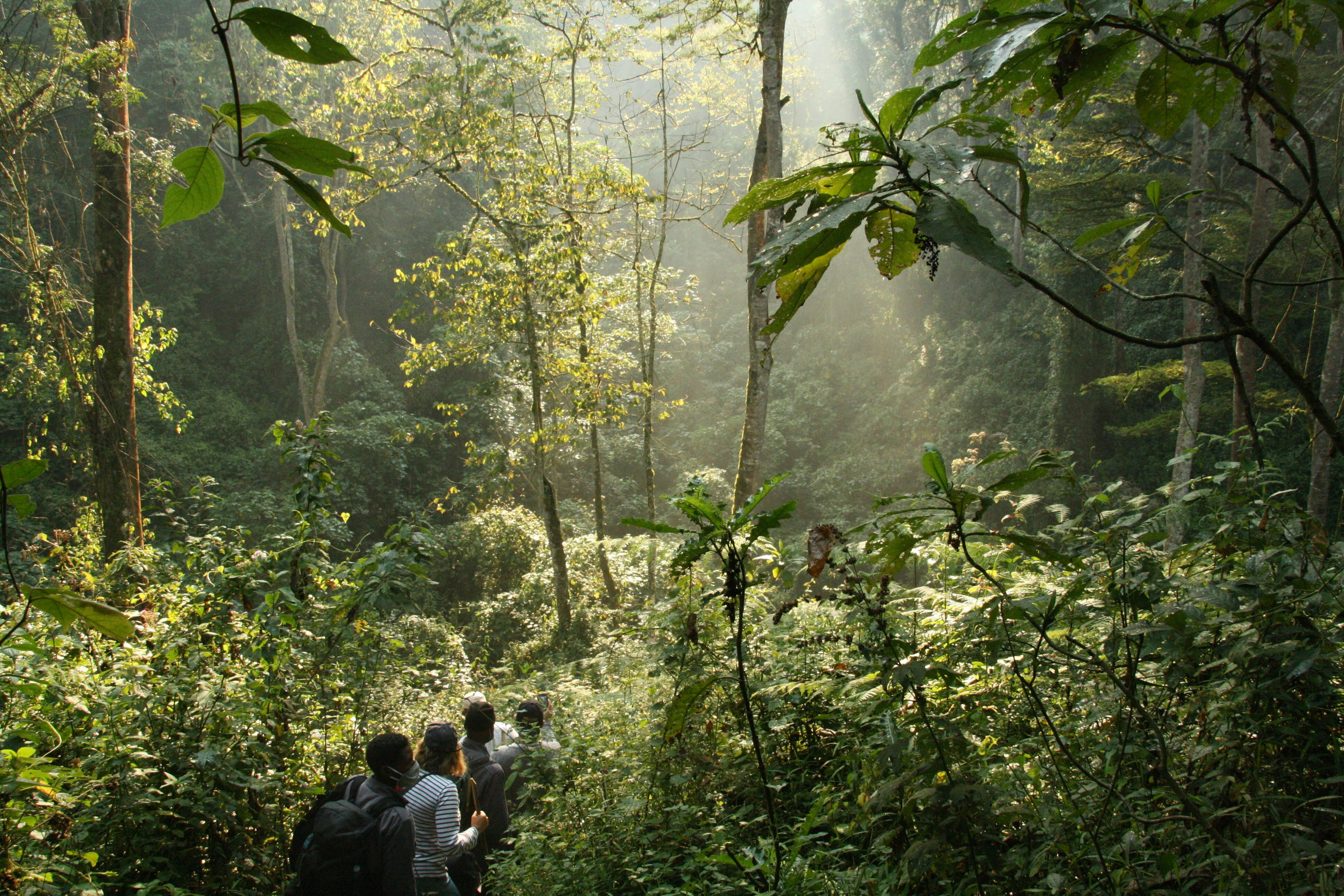
The best time to see gorillas in Rwanda is the long dry season from June to mid-September, followed by the shorter dry window from December to February. In those months the trails in Volcanoes National Park are firmer, the views are clearer, and the hike is easier on your legs. You can trek in any month, because permits are sold year-round, but the rainy months of March to May and October to November make the climb muddier and harder.
"Best time" here means the months when weather, permit availability, and price line up with your priorities. The gorillas do not change much with the calendar. What changes is how wet, crowded, and expensive your hour with them feels.
At Passionate Guides Tanzania, we run private guided trips across Tanzania, Kenya, Uganda, and Rwanda, and many guests add gorillas to a safari. This guide explains why the season matters, how Rwanda's months compare, how to choose your dates, and how to book around the season.
Why the season matters for your gorilla trek
The season decides how wet, slippery, and crowded your trek will be, while the gorilla encounter itself stays the same. All mountain gorilla trekking in Rwanda happens in Volcanoes National Park in the northwest, so every visitor deals with the same mountain weather.
How rain changes the hike
Rain turns volcanic slopes into mud and slick roots, and steep sections become tiring. You do not need a downpour to get wet. Trekkers push through dense, dripping vegetation to reach a gorilla family, so wet foliage soaks you even on a dry morning.
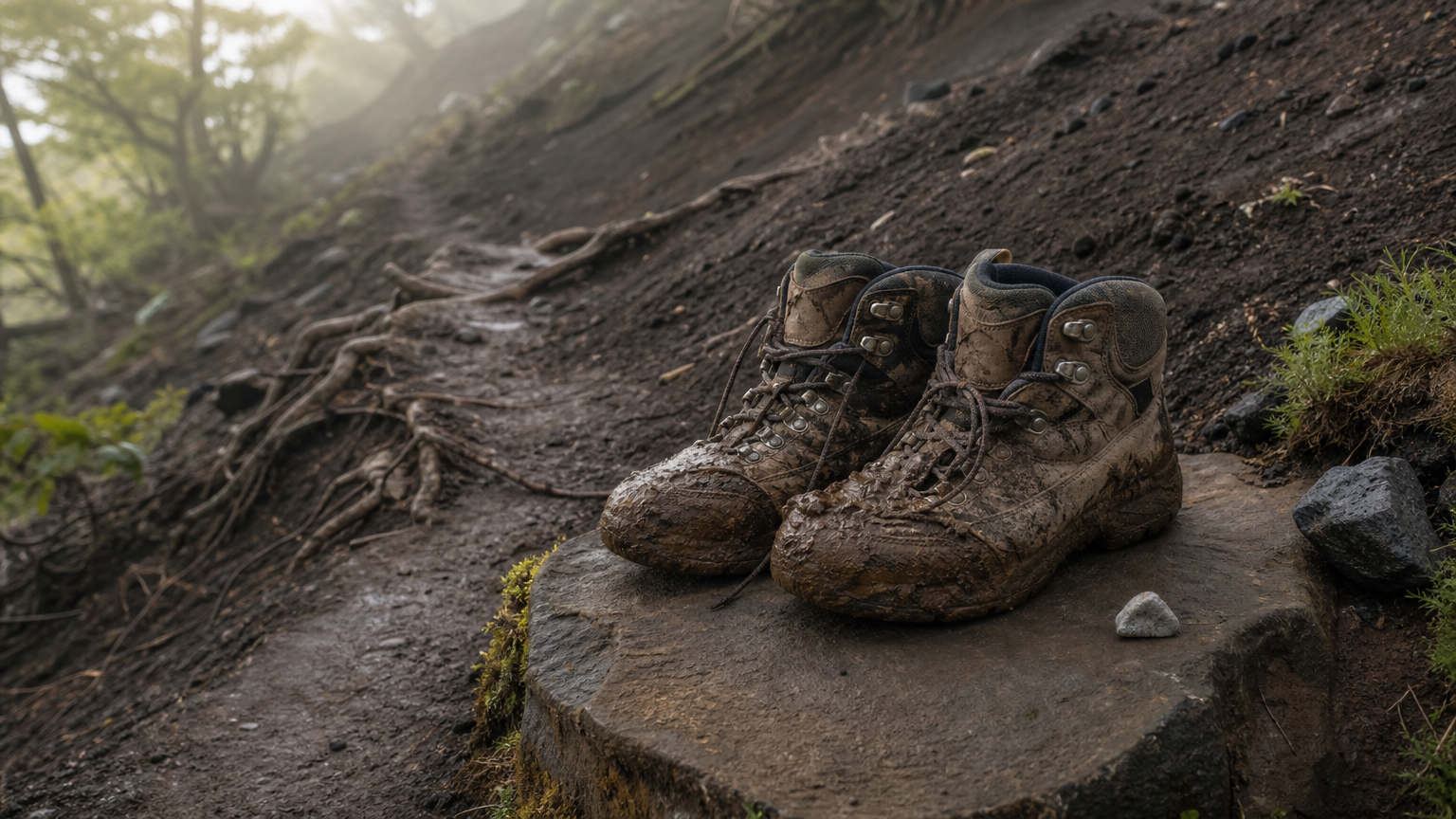
In the dry season you can hope to arrive during a dry or mostly dry spell, which makes the walk feel shorter. Even then, no month is guaranteed dry. This is a rainforest on equatorial mountains, and mist and showers can appear at any time.
The dry season does not guarantee sunshine, it only improves your odds of a firm trail.
Volcanoes National Park climate at a glance
Because the park sits close to the equator, temperatures barely move through the year. Rainfall is the variable that matters, and these figures show why:
- Elevation: roughly 2,400 to 4,507 meters (7,875 to 14,787 feet)
- Mean daytime temperature: about 15°C (59°F), with nights around 6°C (43°F)
- Annual rainfall: nearly 2,000 mm (79 inches)
- Wettest months: March and April, with a second rainy peak around November
- Driest months: June to August
The altitude also means mornings are cold, even in the best time of year to visit gorillas in Rwanda.
What stays the same in every season
Group size and contact rules do not change. Each gorilla family is visited by a small group of up to eight trekkers, and you spend one hour with the animals once you find them. A rainy-season trek and a July trek give you the same hour, with the same rangers and trackers leading you in.
Rwanda gorilla seasons month by month
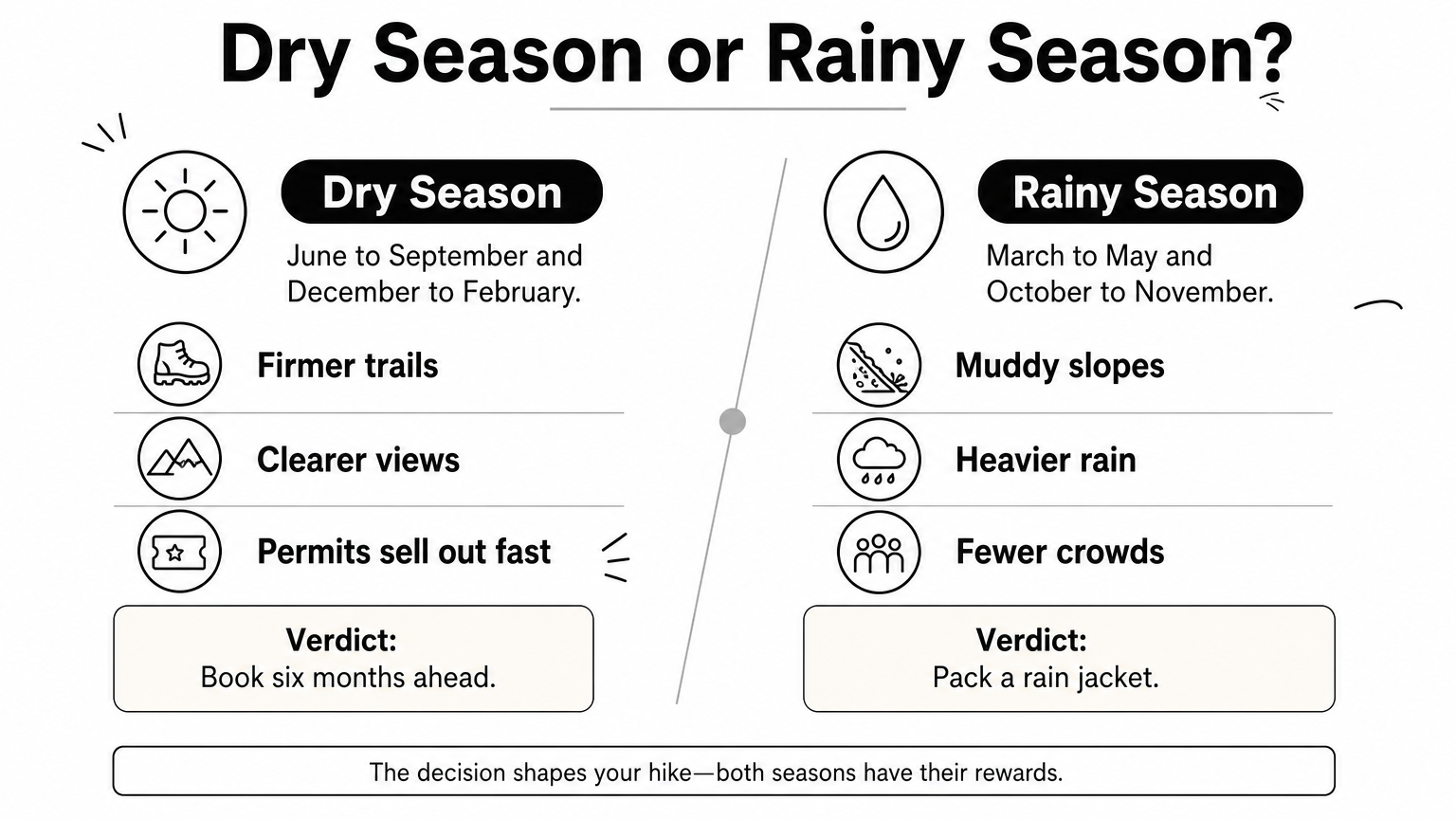
Rwanda has two dry seasons and two rainy seasons, and June to September is the driest and busiest stretch. Everything else is a trade between comfort, price, and permit availability.
The two dry seasons
The long dry season runs from June to mid-September. Rain is lightest, trails are firmest, and permits sell out fastest. If you want the most reliable conditions, this is the window to aim for.
The short dry season runs from mid-December to February. Showers are lighter than in the long rains but still possible. Christmas week is busy, while January and February are often a little calmer and still very good for trekking.
The two rainy seasons
The long rains fall from March to May and are heaviest in March and April. The short rains arrive in October and peak around November. The park stays open throughout, though heavy rain can lead to adjusted plans on some days.
The upsides are real. Permits are easier to find, groups feel less crowded, and the forest looks intensely green. Just expect to hike in a good rain jacket.
Rainy months make trekking harder, not impossible, and they reward flexible travelers with space.
Month-by-month comparison
| Month | Typical conditions | Permit demand | Trekking verdict |
|---|---|---|---|
| January | Mostly dry, light showers | Moderate | Good |
| February | Mostly dry | Moderate | Good |
| March | Long rains begin | Low | Challenging |
| April | Heaviest rain | Lowest | Hardest |
| May | Rains easing | Low | Fair |
| June | Long dry season starts | High | Excellent |
| July | Driest | Peak | Excellent |
| August | Driest | Peak | Excellent |
| September | Dry early, showers return late | High | Good |
| October | Short rains begin | Low to moderate | Mixed |
| November | Short rains peak | Low | Mixed |
| December | Drier, holiday crowds | High around Christmas | Good |
How to choose the best month for your trip
Pick your month by priority. Choose July or August for the easiest trekking, a shoulder month for fewer people, and a dry-season month if you are pairing the trek with a safari.
If comfort is your priority
Go in July or August. The ground is at its driest, the forest is clearer, and photographs are easier. Older travelers, families with teenagers, and anyone nervous about steep, muddy slopes should lean toward these months.
January and February are the best alternative. You get a second dry window with slightly fewer visitors than mid-summer, which makes planning simpler.
If you want fewer crowds and flexibility
May and early December sit between the rainy and dry seasons. Showers are possible, but permits and lodging are easier to arrange. Late September can work too, as the rains are only starting to return.
Whichever shoulder month you choose, plan for mud and bring proper rain gear. Availability is better than in peak months, but it is never guaranteed, so do not leave booking to the last minute.
If you are combining gorillas with a safari
Rwanda's best time lines up well with East Africa's wildlife calendar:
- June to September: pairs with the Serengeti and Maasai Mara river-crossing season, roughly July to October.
- December to February: pairs with the calving season in the southern Serengeti, around January to March.
- Uganda option: the best time to visit Rwanda to see gorillas also works for Bwindi in Uganda, though Bwindi is generally steeper and muddier.
Match your gorilla dates to the dry seasons and the rest of your safari usually falls into place.
How to plan and book your gorilla trek around the season
Book permits first, pack for rain in every month, and check travel advisories before you commit. These three steps protect your dates and your comfort, whatever month you choose.
Book permits before anything else
Your permit fixes your trekking date, so secure it before flights and lodges. For foreign visitors the standard permit has been $1,500 per person, but confirm the current price with the Rwanda Development Board before you budget.
For June to September or the Christmas period, book six months or more ahead. Rainy-season dates can sometimes be arranged with less notice, but do not count on it. Group sizes are capped, so spots disappear quickly.
Pack for rain in every month
Even in July you should expect wet vegetation and cold mornings. A reliable kit includes:
- A waterproof jacket and quick-drying layers
- Sturdy waterproof hiking boots with good grip
- Long trousers and gaiters, since nettles and thorns are common
- Light gardening gloves for gripping branches
- A rain cover or dry bag for your camera
- Muted colors such as green, brown, and khaki
Check safety and decide if it is worth it
Trekking is organized by trained rangers and trackers, and the park is well run. Before booking, check your government's current travel advisory, especially for the border region near Congo, and consider travel insurance.
Is it worth it? For most travelers, yes. One hour with a mountain gorilla family, in a forest you reached on foot, tends to stay with people for years. Timing it well simply keeps the climb from overshadowing the encounter.
Picking your dates
For most travelers, the best time to visit gorillas in Rwanda is July or August, with January and February as the strongest second choice. Shoulder months bring fewer people and more mud. The rainy months are still workable if you are flexible and packed for it.
Whatever you choose, lock in your permit first and build the rest of the trip around it. If you want help matching your dates to a gorilla trek and a wider East Africa safari, talk to Passionate Guides Tanzania about your trip.